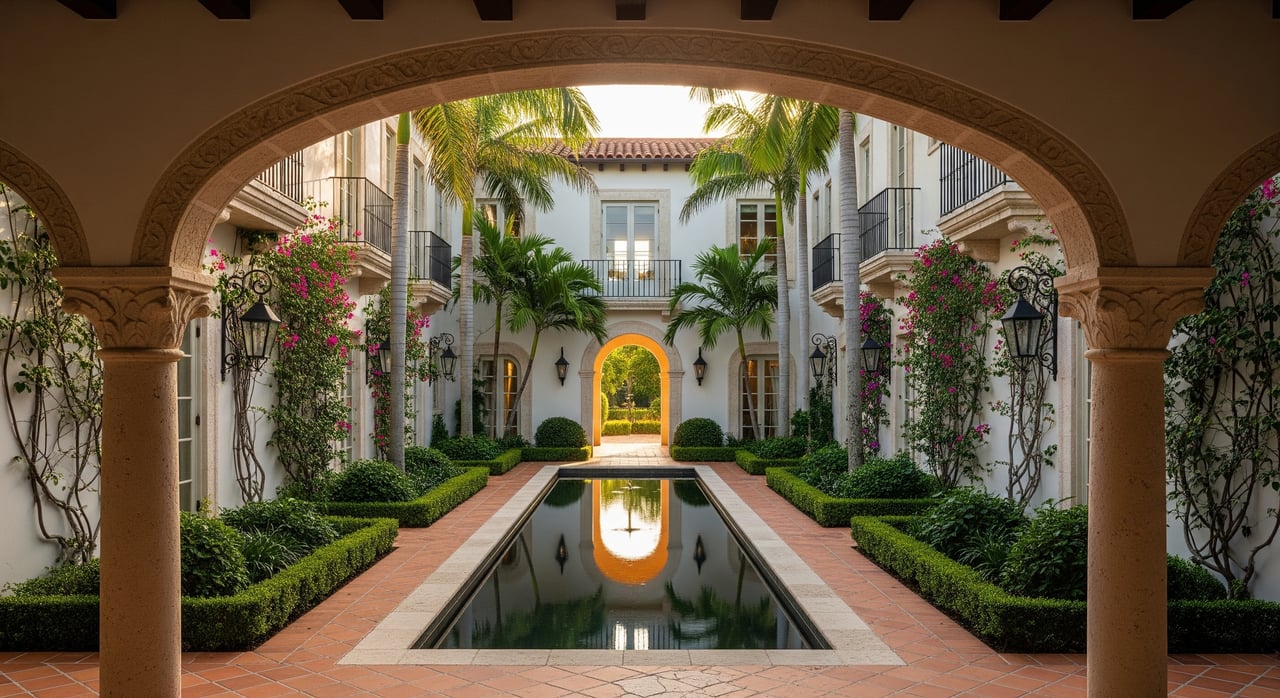
Wondering what day-to-day life in Coral Gables actually feels like? Maybe you’re drawn to the Mediterranean architecture, the leafy streets, and the idea of being close to Miami without living in the high-rise core. In a few minutes, you’ll get a clear picture of neighborhoods, housing styles, errands, culture, commuting, pros and cons, and a practical buyer checklist. Let’s dive in.
Coral Gables at a glance
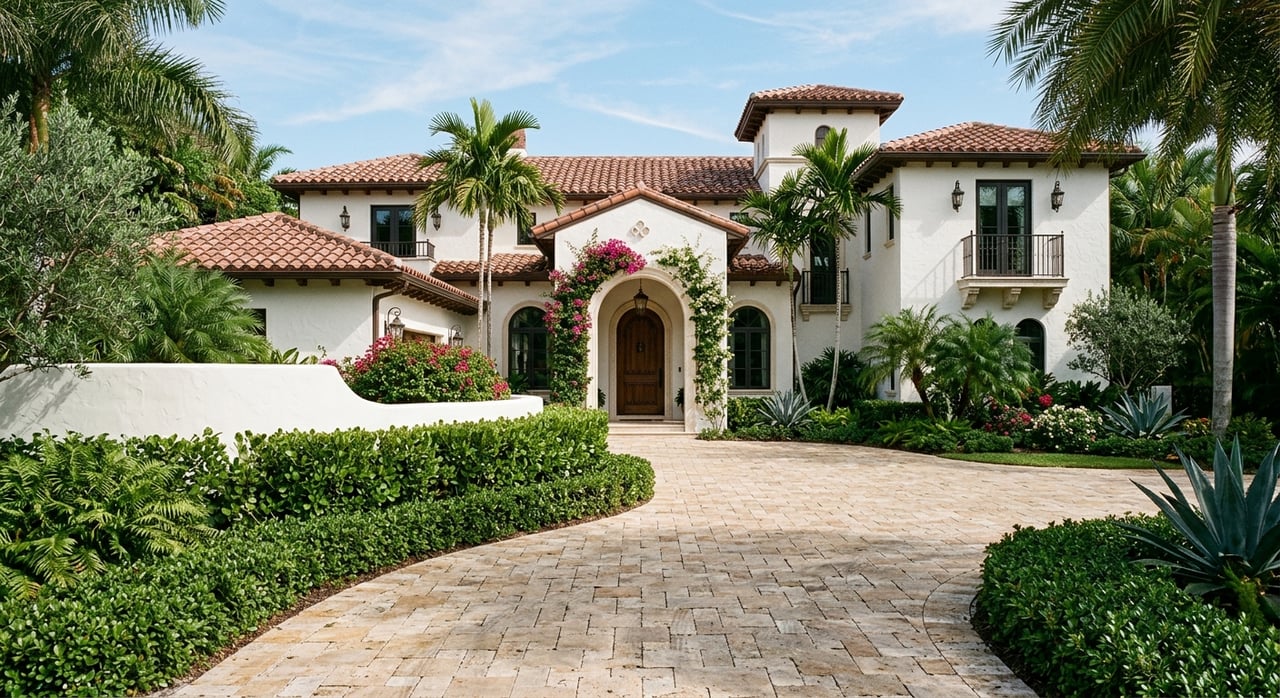
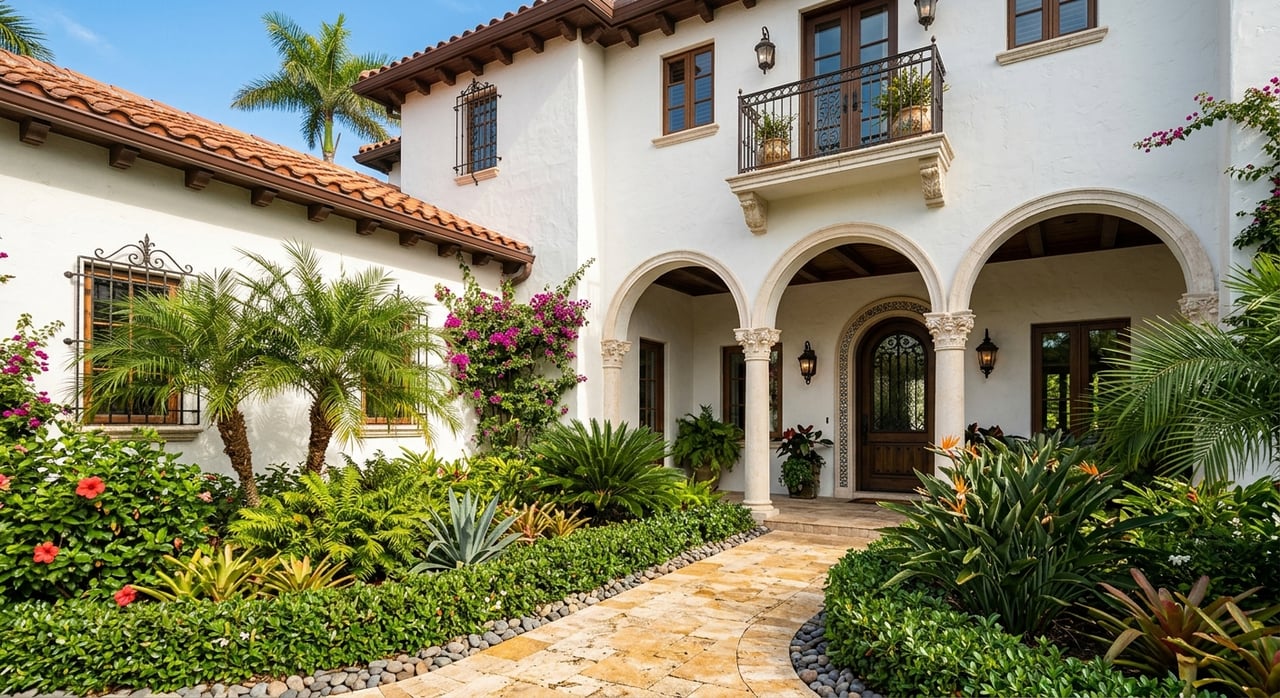
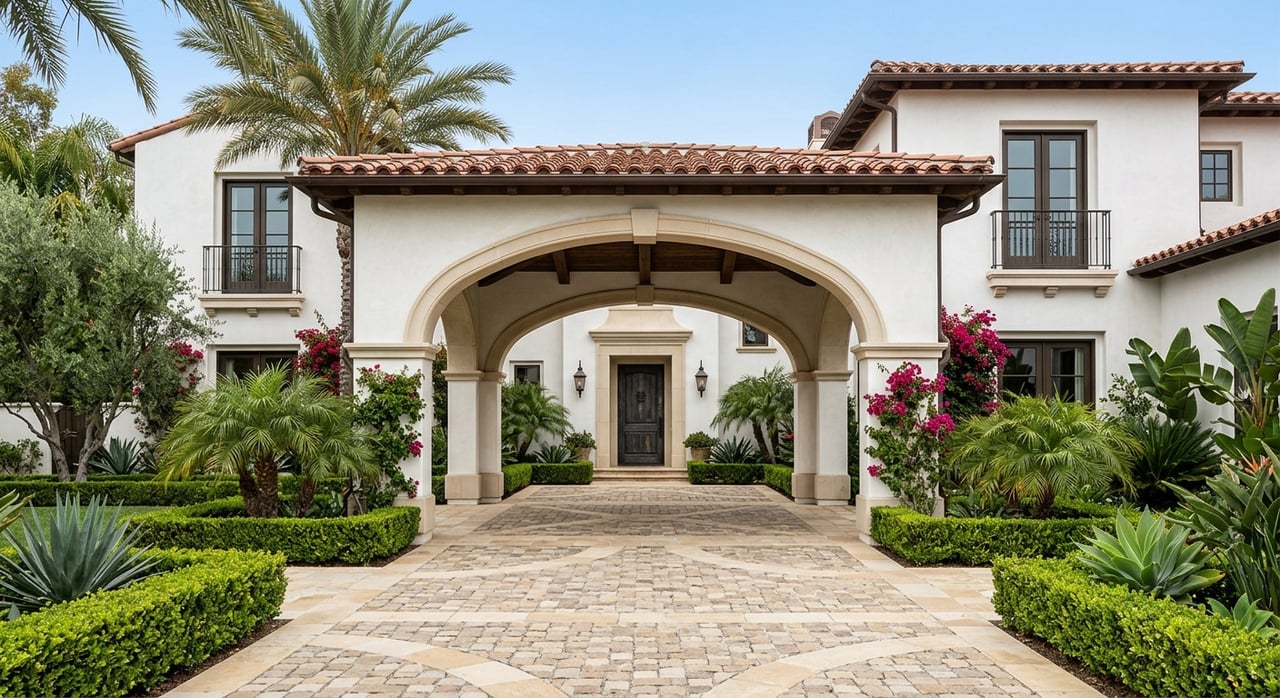
Coral Gables is a planned city with roots in the 1920s, shaped by developer George Merrick around a cohesive Mediterranean Revival look and the City Beautiful ideal. Many original design elements remain central to its identity today. You’ll notice tiled roofs, archways, and a consistent streetscape that reflects preservation-minded planning throughout the city. For more on the city’s planning and history, explore the official City of Coral Gables resources.
The city has roughly 50,000 residents. You’ll find a mix of families, professionals, University of Miami affiliates, and long-term residents who value design standards, green space, and a polished, small-city feel.
Neighborhood feel and architecture
Coral Gables is known for its canopy-lined residential blocks and pedestrian-friendly scale. Streets are designed for a pleasant walking experience with sidewalks, neighborhood parks, and careful lighting and signage.
Sub-areas have distinct personalities:
- Downtown and Miracle Mile for shopping, dining, and cultural outings.
- Granada and Merrick Park-adjacent districts for many original 1920s homes and historic parcels.
- Ponce and Douglas corridors for mid-rise condos, offices, and easier access to Metrorail.
- Near the University and South Gables for more rentals and multi-family options.
Strict façade and signage rules in commercial areas help keep a cohesive look across the city.
Homes and zoning
You’ll see a range of housing types:
- Historic single-family Mediterranean Revival homes from the 1920s, often renovated with care.
- Modernized single-family homes and select infill construction that respects scale and setbacks.
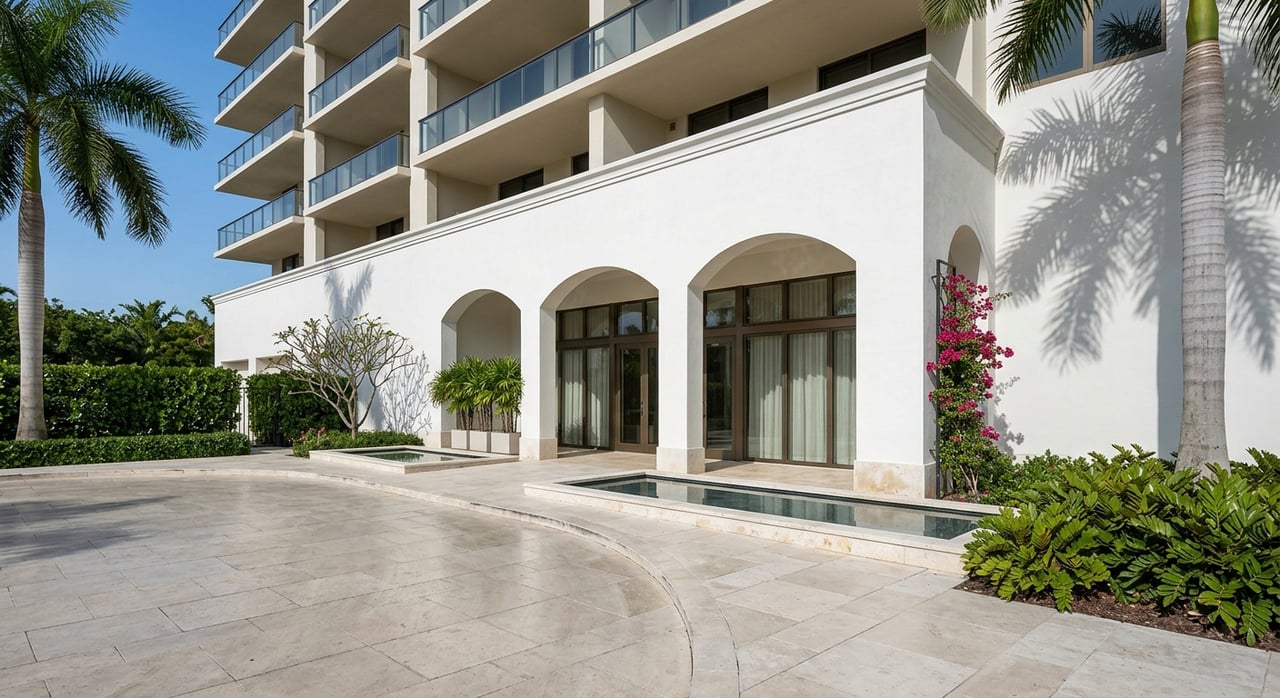
- Low to mid-rise condominiums near Ponce, Douglas, and other commercial corridors.
- Apartments and multi-family options clustered near the University of Miami and along major roads.
Coral Gables enforces design review and historic preservation for landmarked properties and districts. That can limit exterior changes and add steps to renovation plans, and many areas are zoned primarily for single-family use. If you’re considering a condo, factor in association rules, monthly fees, and reserves. You can review planning and preservation context through city planning and preservation resources.
Daily life: errands, dining, culture
Most everyday errands are straightforward. Miracle Mile and the Ponce corridor offer boutiques, services, and specialty shops, while nearby grocery and drugstore options fit weekly routines. Many residents walk for small errands and take short drives for larger shopping trips.
Dining leans toward upscale bistros, international flavors, and destination restaurants clustered around Miracle Mile and surrounding streets. Evenings feel lively yet relaxed, with restaurants, cafés, and wine bars setting the tone rather than late-night clubs.
Culture is a steady part of life here. The Coral Gables Museum programs local history and design exhibitions, and the University of Miami anchors the area with lectures, performances, and sports that draw the community together.
Parks and recreation
You have standout choices for outdoor time. The city’s park system features neighborhood green spaces, playgrounds, public tennis, and community pools. The historic Venetian Pool and the Biltmore Hotel’s golf course are local icons. City parks and recreation details are available through the City of Coral Gables.
Just beyond the city limits, Fairchild Tropical Botanic Garden and Matheson Hammock Park are popular for weekend walks, picnics, and family activities. Fairchild offers gardens, exhibits, and events for all ages. Learn more at Fairchild Tropical Botanic Garden.
Getting around and commuting
Coral Gables sits just southwest of central Miami, so driving to Brickell or downtown can be short outside peak hours. Major roads like Ponce de Leon, Le Jeune, Douglas, and Bird Road carry most traffic. Travel times vary with rush hour, and downtown parking rules or meters apply in commercial areas.
Transit can be a practical option depending on your route. The Douglas Road and University Metrorail stations connect to downtown and the airport with transfers, and the city’s trolley and local circulators link key corridors to transit nodes. Explore transit options at Miami-Dade Transit and city trolley info via the City of Coral Gables.
Walkability is a real advantage in central pockets, especially near Miracle Mile and along Ponce. Other areas are more car-dependent. For a quick snapshot, review Coral Gables on Walk Score.
Who buys here and why
Buyers typically come for a blend of aesthetics, stability, and convenience. Families appreciate single-family neighborhoods and nearby parks. Professionals value a refined, walkable base with easy access to Brickell and the broader metro area. University of Miami connections and investors focus near campus, and many empty-nesters choose the calm, amenity-rich environment and condo options.
The market tends to be higher cost relative to many surrounding areas due to historic character, strict design standards, and concentrated amenities. Inventory in sought-after historic blocks can be tight, and well-preserved homes or updated systems often command premiums.
Tradeoffs to consider
Every location has tradeoffs. In Coral Gables, consider the following:
- Higher cost of living and home prices than many nearby neighborhoods.
- Preservation and design review that may slow or limit exterior renovations.
- Peak-hour congestion on key roads and limited parking in downtown areas.
- Regional hurricane and flood considerations that can affect insurance availability and cost. Start with FEMA flood maps and request elevation certificates when you evaluate properties.
- Fewer large-lot estates than some suburbs, with many desirable options being renovated older homes or condos.
Buyer checklist
Use this quick list as you tour homes:
- Verify public school boundaries and magnet options with Miami-Dade County Public Schools, and research private-school availability if that matters to your plan.
- Check historic designation status and understand any design review requirements before planning exterior changes.
- Confirm flood zone status, request elevation certificates, and obtain preliminary insurance quotes.
- For condos, review HOA fees, reserves, and the potential for special assessments, especially in older buildings.
- Test your commute during actual rush hours by car and transit on the route you will use.
- Budget for maintenance on older homes, including roof tiles, drainage, termite treatments, and mechanical system updates.
- Visit at different times of day to gauge parking, noise, and street activity.
Is Coral Gables a fit for you?
If you want a polished, historically cohesive city with a true main street, culture close at hand, and easy access to Miami’s business hubs, Coral Gables delivers. You’ll trade some flexibility on renovations and accept higher carrying costs for a lifestyle that emphasizes design, walkability, and well-kept public spaces.
When you’re ready to compare neighborhoods and zero in on the right property, connect with Scott Shuffield to Book a Consultation. Our team brings local insight and a calm, financially informed approach so you can move with confidence.
FAQs
What is the overall vibe of Coral Gables for everyday living?
- A planned, Mediterranean-inspired city with a walkable downtown, leafy streets, and a quieter scale than Miami’s high-rise districts.
How walkable is Coral Gables for errands and dining?
- Many central areas near Miracle Mile and Ponce offer shops and restaurants within a short walk, while other residential pockets function best with a car.
What home types are most common in Coral Gables?
- Historic single-family homes, modernized residences, low to mid-rise condos near commercial corridors, and multi-family options near the University of Miami.
How do residents commute from Coral Gables to downtown Miami?
- Most drive via Ponce, Le Jeune, or US-1, and some use the Douglas Road or University Metrorail stations with trolley links. Commute times vary with peak-hour traffic.
What should buyers know about flood and insurance in Coral Gables?
- Parts of the city are in FEMA flood zones, so review flood maps, request elevation certificates, and get insurance quotes early in your search.
What parks and cultural venues do residents frequent in and around Coral Gables?
- City parks, the historic Venetian Pool, the Biltmore’s golf course, and nearby Fairchild Tropical Botanic Garden, plus cultural programming at the Coral Gables Museum and University of Miami.