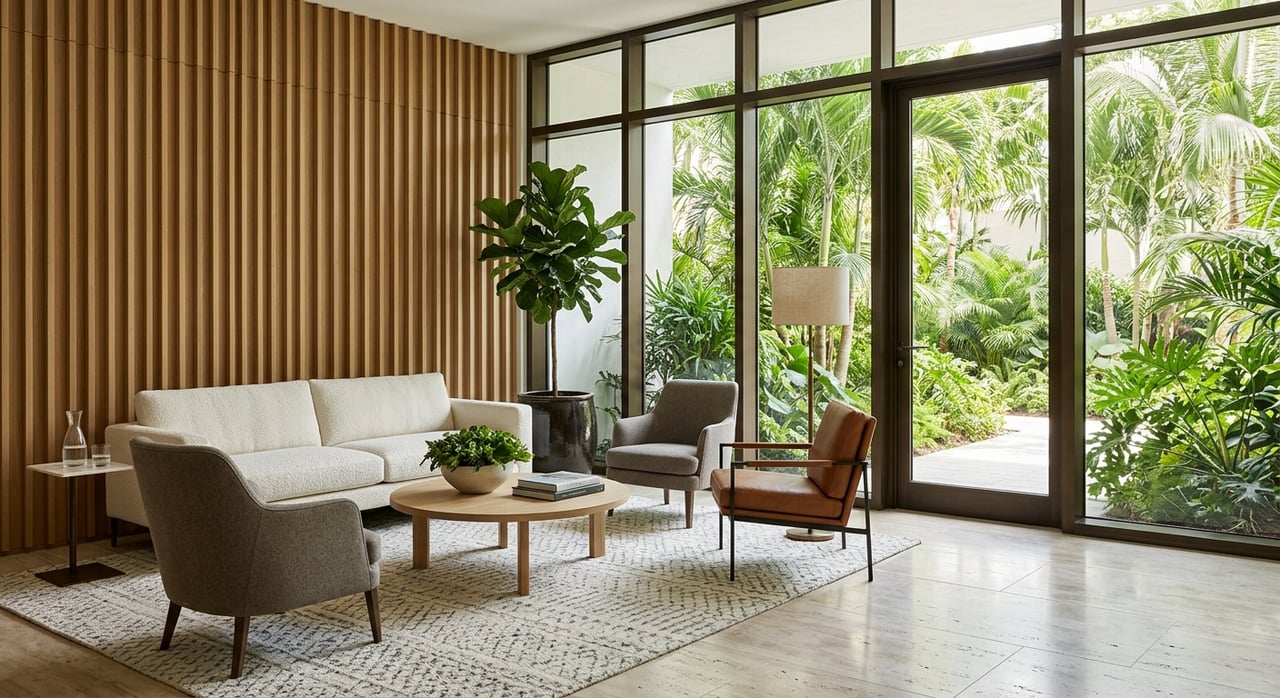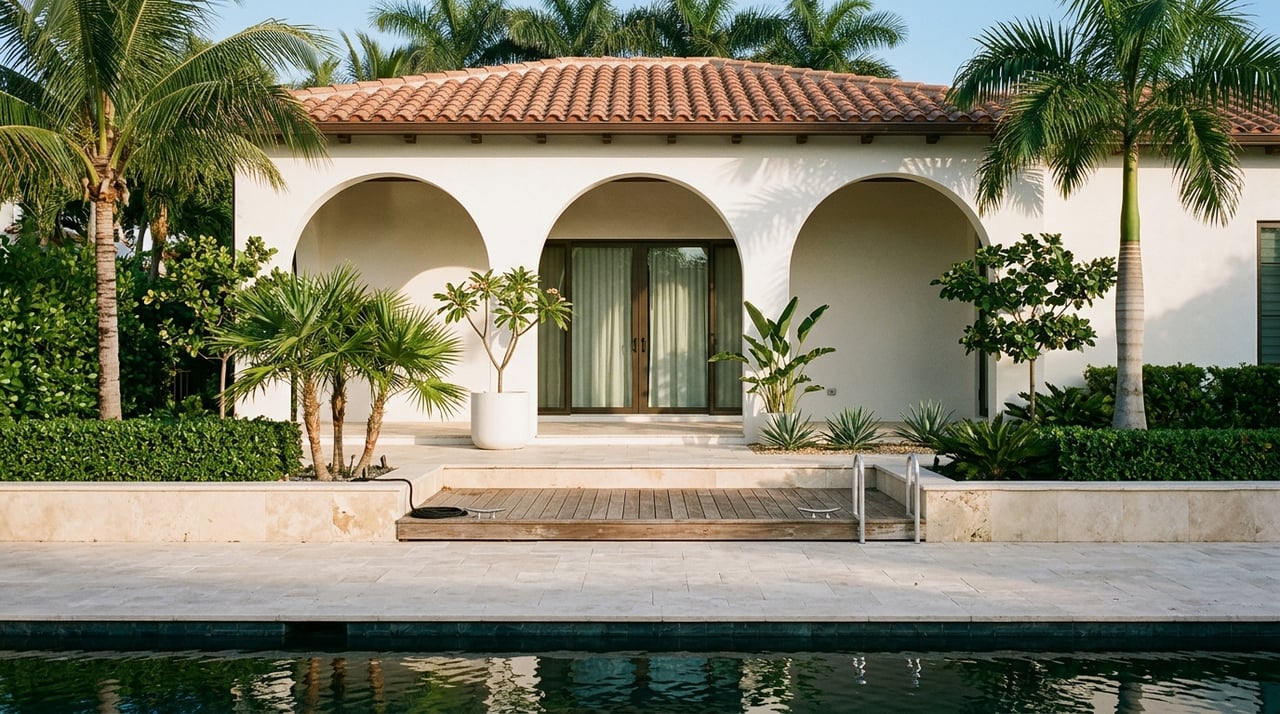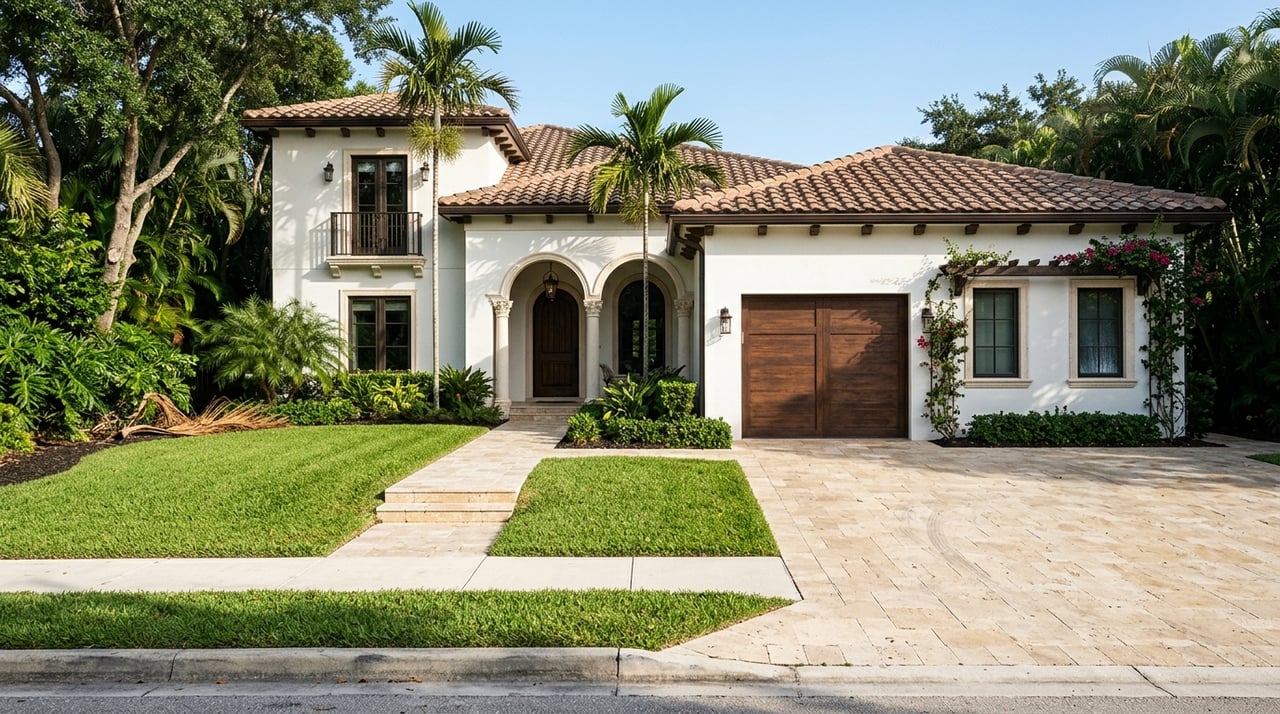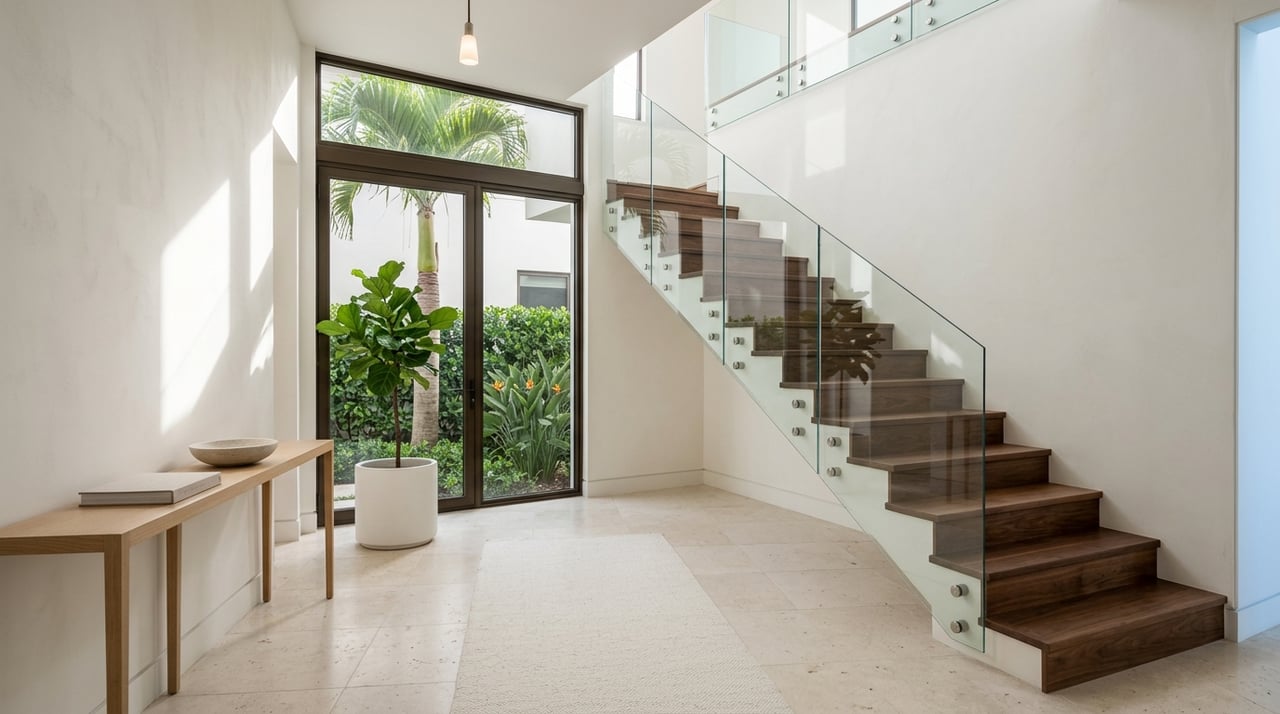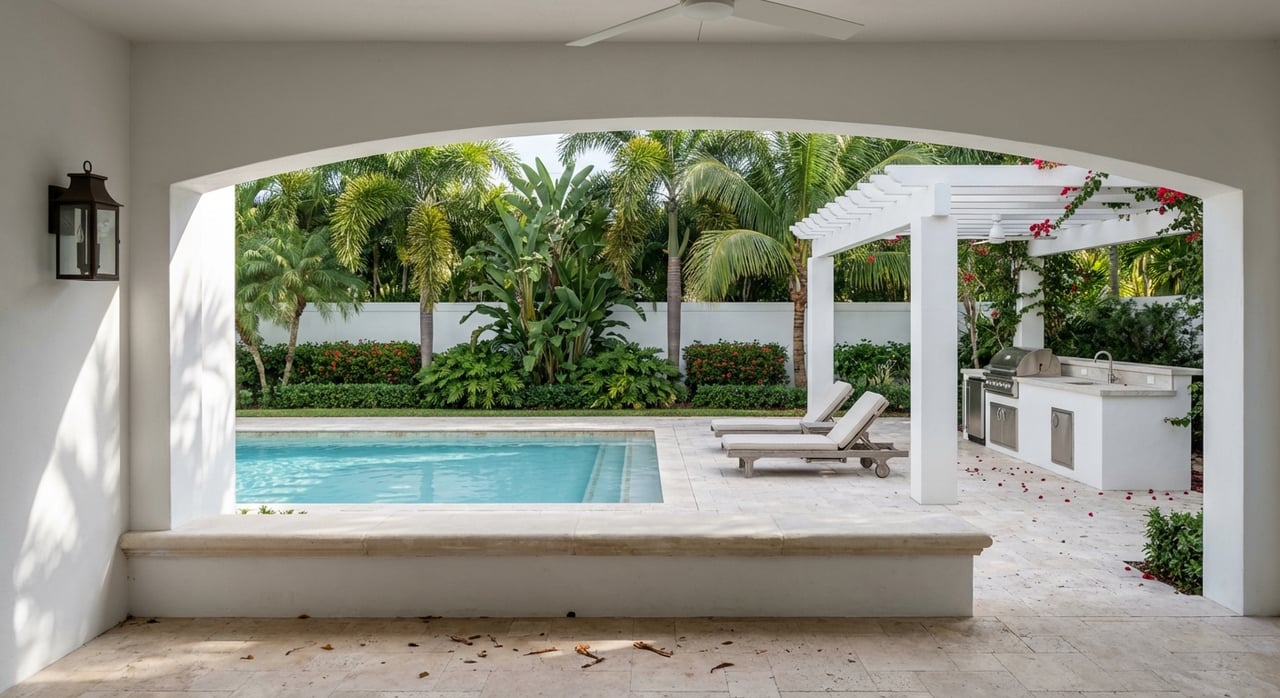
What if your backyard in Coconut Grove could feel like a private resort all year? In Lee County’s warm, coastal climate, you can live outside almost every day if you plan it right. With the right mix of shade, salt‑tough materials, and smart plant choices, you turn patios, pools, and paths into daily living space that adds joy and value. This guide gives you local, practical steps to design an outdoor lifestyle that fits the Grove and holds up in our weather. Let’s dive in.
Know your location and rules
More than one neighborhood in Lee County is called “Coconut Grove,” and some sit inside city limits while others are in unincorporated areas. That matters for permits, inspections, and tree rules. Before you plan, confirm your property’s city or county jurisdiction and any HOA guidelines. Then look up your flood zone and Base Flood Elevation so you site equipment and hardscape wisely.
Start with three checks:
- Visit the county’s pool permit resource to understand submittals, safety barriers, and inspections, and call your city’s building office if you are inside city limits. See the county’s pool permit guide and permit FAQ.
- Confirm your flood zone using the county’s FIRM map and guidance. This helps you place pool pumps, outdoor kitchens, and electrical safely.
- If you plan to remove or heavily trim a tree, review Florida’s rules. Residential removal can be exempt when a certified arborist or Florida licensed landscape architect documents unacceptable risk. Read the statute text in Chapter 163, Florida Statutes, and check local rules.
Design for Lee County climate
Outdoor living is year‑round here, but summer heat and storms shape your choices. The Fort Myers area sees most rainfall and thunderstorms from June through September, which affects drainage, plant selection, and pool care. You will use your patio in every season, so make shade, airflow, and screened living a priority for comfort.
Plan around local data:
- Expect a long warm season with brief, mild winters. See climate summaries for our area from Florida State University’s Climate Center.
- For daily observations, the Page Field station (KFMY) is a good local reference. You can check current conditions at the NWS KFMY page.
- Fort Myers and most of Lee County fall in USDA zones 10a–10b, which supports many tropical and coastal natives. Use the USDA hardiness map for Fort Myers to guide your plant shortlist.
Create shade and breezes
Shade is the single best comfort upgrade. Preserve healthy mature canopy where you can because live oaks, sabal palms, and other established trees cool patios and add privacy. If removal is proposed, document the reasons and follow Florida’s tree rules. You can review the statute language in Chapter 163, Florida Statutes.
For built shade, think in layers:
- Roofed and screened lanais extend your usable hours by reducing sun and keeping insects out. Design screens and fasteners for coastal conditions and wind. Learn more about screened enclosure options through local resources on screened lanais and pool cages.
- Deep roof overhangs and pergolas with climbing vines can soften glare and add character.
- Place seating to catch prevailing breezes, and use ceiling fans under covered patios for airflow.
Planting palette that thrives
In a coastal, Zone 10 setting, you want salt‑tolerant, wind‑resilient species that still read lush. Native and regional plants often perform best and support low‑maintenance design.
Reliable choices used across Lee County include:
- Sea grape for bold leaves and coastal tolerance. See species notes from UF/IFAS in this sea grape overview.
- Cocoplum, especially the coastal ecotype, for dense privacy hedges and windbreaks. UF/IFAS provides cultivar and spacing guidance in its cocoplum profile.
- Gumbo limbo, sabal palm, firebush, saw palmetto, wild coffee, and muhly grass for layered texture and wildlife value.
Follow Florida‑Friendly Landscaping basics: right plant, right place, mulch to manage soil moisture, and efficient irrigation. Group plants by water needs and keep turf modest so maintenance is easier in summer.
Materials that last near salt
Coastal exposure speeds up corrosion. Choose finishes that stand up to salt air and humidity so your outdoor kitchen, railings, and lighting age well.
- For cabinet frames, appliance faces, and hardware near the water, prioritize powder‑coated aluminum or marine‑grade 316 stainless. Industry guidance shows these materials resist corrosion better in coastal settings. See a useful overview of corrosion‑resistant metals for coastal environments.
- For lanais and pool cages, specify UV‑resistant screens and corrosion‑resistant fasteners.
- For decks and patios, composite or porcelain pavers often outperform tropical hardwoods in a humid, salt environment and typically require less upkeep.
Pools, kitchens and patios: permits and payoff
Lifestyle upgrades and resale are both on the table, but each feature carries different rules and returns. Always start with permits and safety, then weigh cost recovery using national benchmarks and local comps.
Pools
In‑ground pools require plans, permits, and safety barriers such as enclosures, self‑closing latches, and alarms where applicable. Lee County outlines typical submittals and inspection stages in its pool permit guide. On enjoyment and value, pools score very high on owner satisfaction but show lower cost recovery than some landscape projects according to the National Association of REALTORS®. See the NAR Remodeling Impact Report: Outdoor Features for context. That makes a pool a lifestyle choice first, and a resale consideration second.
Outdoor kitchens
If you are running gas lines, adding a sink, or hardwiring appliances, you will need permits and licensed trades for mechanical, plumbing, and electrical work. Lee County’s permitting resources explain what triggers review in the permit FAQ. On value, NAR’s outdoor‑features report shows outdoor kitchens with very high owner satisfaction and an estimated cost recovery around 100 percent at a typical sample cost. Design modestly and finish well for the best balance of daily use and resale.
Patios and lighting
A well‑designed paver patio and integrated landscape lighting often deliver high enjoyment at a lower cost than a pool. NAR cites typical national estimates around $10,500 for a patio project, with lighting usually less, and both rank high on the homeowner joy scale. You can review the national benchmarks in NAR’s outdoor features report, then layer in local comps to gauge your likely return.
Storms, pests and upkeep
Coastal living is beautiful, and it comes with specific maintenance. Build with wind in mind and plan simple habits that protect your investment.
- Hurricanes and wind: The Florida Building Code and local practice call for wind‑rated design for any permanent roofed patio, screen cage, or elevated structure. Keep loose furniture stowable, maintain trees, and consult licensed contractors. For context on why wind‑rated details and protected openings matter, see the post‑storm analysis in the Hurricane Irma Mitigation Assessment Team report.
- Termites: Subterranean and invasive species, including Formosan termites, are present in Florida. Schedule routine inspections and consider pre‑treatment when you build. A peer‑reviewed overview of Florida termite risks and control can be found in this open‑access review.
- Mosquitoes: Reduce standing water, maintain pools, and coordinate with Lee County Mosquito Control for surveillance and service. Learn about local programs and mosquito‑borne disease updates from the Lee County Mosquito Control District. Research in Lee County has also tested sterile insect technique for Aedes aegypti; see the Captiva Island study here.
- Corrosion care: Rinse and clean metal surfaces seasonally, and repair small spots early. Powder‑coated aluminum and marine‑grade stainless steel reduce long‑term upkeep in coastal air.
Quick planning checklist
- Confirm whether your Coconut Grove address is in a city or unincorporated Lee County, and review any HOA rules.
- Look up your flood zone and Base Flood Elevation using the county’s FIRM map.
- Call the building department to confirm permits for pools, gas lines, screened enclosures, and structural patio roofs. Start with the pool permit guide and permit FAQ.
- Before removing large trees, get an ISA arborist assessment and review Florida Statute 163.045.
- Choose corrosion‑resistant finishes and schedule seasonal termite and mosquito checks. See resources on termite control and mosquito programs.
Resale impact and next steps
Outdoor living sells in Lee County because buyers want move‑in ready lifestyle. National data shows patios, lighting, and outdoor kitchens deliver high homeowner joy and defensible cost recovery, while pools are best viewed as a lifestyle upgrade with variable resale return. Your exact ROI depends on your lot, neighborhood, finish level, and timing.
If you want to maximize comfort now and protect value later, start with covered shade, smart planting, and materials that last. Then add features that match how you live, from a compact grilling station to a screen‑enclosed pool. When you are ready to buy or sell, bring your plans and questions. For tailored guidance and neighborhood‑level comps, connect with Scott Shuffield to map your outdoor vision to the right property and strategy.
FAQs
What permits do I need for a pool in Coconut Grove, Lee County?
- In‑ground pools require plans, permits, and safety barriers, with typical submittals and inspections outlined by Lee County; start with the county’s pool permit guide and confirm city or HOA rules if applicable.
How do I check my flood zone before building an outdoor kitchen?
- Use the county’s FIRM map to find your flood zone and Base Flood Elevation, then place equipment and electrical above risk levels and confirm requirements with the building department.
Which plants handle salt and wind near the coast?
- Sea grape and cocoplum are reliable, along with gumbo limbo, sabal palm, firebush, wild coffee, and muhly grass; see UF/IFAS guidance for sea grape and cocoplum.
Do outdoor kitchens and patios add resale value in Lee County?
- NAR’s report shows outdoor kitchens with very high owner satisfaction and about 100 percent cost recovery at a typical spend, while patios and lighting also rank high on joy and curb appeal; review the NAR outdoor features report and pair it with local comps.
How can I reduce mosquitoes around my lanai and pool?
- Eliminate standing water, maintain pool chemistry and circulation, and coordinate with the Lee County Mosquito Control District for surveillance and service; screened enclosures also improve comfort by limiting insect access.