If you are moving up to your next home, South Miami and Pinecrest can both look like strong options at first glance. But the feel of daily life, the type of home you are likely to find, and the kind of upgrade you are really making can be very different. This guide will help you compare location, lot size, lifestyle, and practical buying factors so you can decide which move makes the most sense for you. Let’s dive in.
South Miami vs Pinecrest at a Glance
For many move-up buyers, the easiest way to frame the decision is this: South Miami is often a move-up in location and convenience, while Pinecrest is often a move-up in lot size and residential scale.
According to the City of South Miami community overview, South Miami is a compact 2.5-square-mile city near Coral Gables, Pinecrest, and the University of Miami. The city highlights a vibrant town center and a walkable Hometown District centered on Sunset Drive.
By contrast, the Village of Pinecrest About Us page describes Pinecrest as a larger, tree-lined village of about eight square miles, with large estate lots and more than 750 businesses along its western US 1 boundary. Pinecrest also currently highlights an average market value of homes of $2,051,178.
South Miami Lifestyle
If you want a more connected, closer-in feel, South Miami may stand out right away. The city describes its downtown area as a shopping, dining, and entertainment destination, and its SoMi district is centered near the South Miami Metrorail station with accessible parking garages nearby.
That layout can support a more efficient day-to-day routine. If you like being able to run errands, meet friends, grab dinner, or access transit without feeling far removed from the action, South Miami offers that kind of setting.
South Miami also has a meaningful park and recreation presence. The city says it has 17 parks and facilities across 48 acres of parkland, including amenities such as the Gibson-Bethel Community Center and the Murray Park Aquatic Center, as noted on its community and parks resources.
Pinecrest Lifestyle
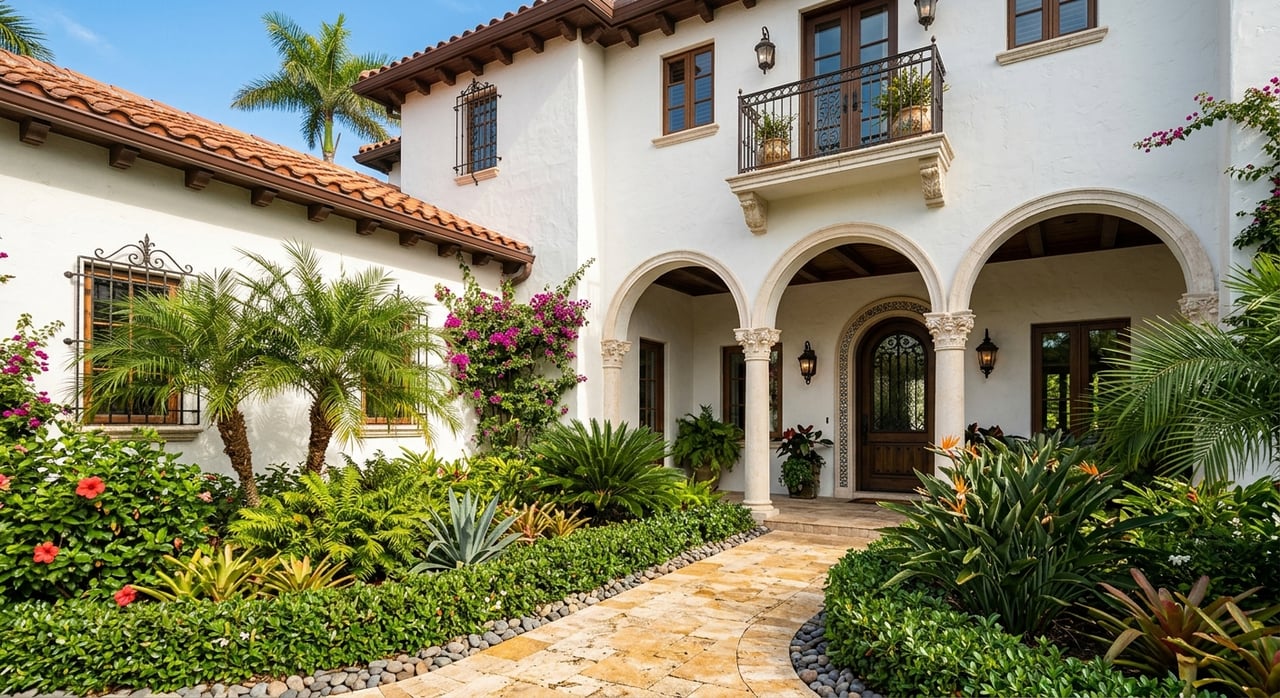
Pinecrest tends to appeal to buyers who want a more residential rhythm centered on the home and surrounding green space. The village emphasizes its tree-lined character, larger homesites, and established residential setting in its official planning and community materials.
Its western edge includes a wide range of businesses, restaurants, cafés, bakeries, and retail uses, but the overall feel reads differently from South Miami. Instead of a compact downtown core, Pinecrest offers a broader, more residential environment with neighborhood amenities spread across the village.
Recreation is also a major part of Pinecrest’s identity. The village operates amenities including the Pinecrest Community Center, Suniland Park, Coral Pine Park, and Pinecrest Gardens, a 14-acre botanical garden and cultural venue that welcomes more than 140,000 visitors each year.
Housing Differences That Matter
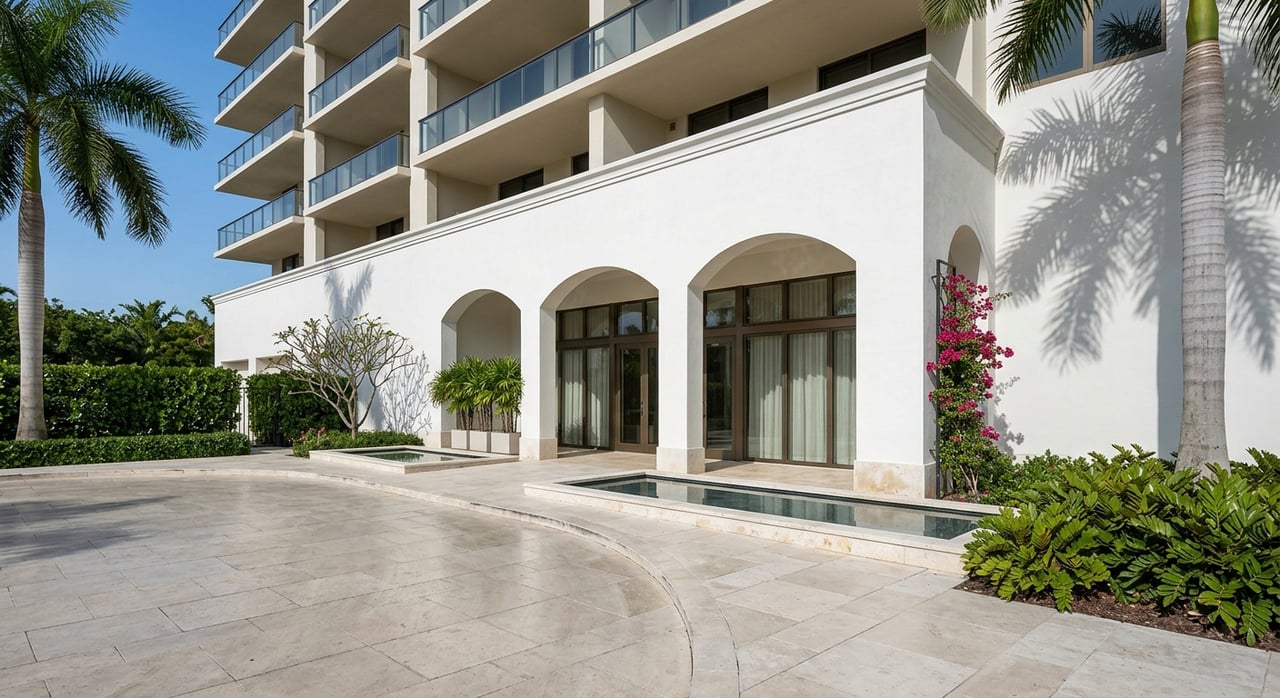
For move-up buyers, one of the biggest practical differences is the housing stock. South Miami’s comprehensive plan points to a mix of single-family homes, townhouse opportunities, and mixed-use or transit-oriented development near the South Miami Metrorail station.
The city’s planning documents state that new single-family parcels should have a minimum area of 10,000 square feet, and they also identify denser pockets around transit. You can review that framework in the South Miami comprehensive plan.
That matters because it suggests South Miami is not a one-note housing market. Depending on where you search, you may find an upgrade from a condo or smaller home into a single-family property while still keeping a more urban, connected setting.
Pinecrest’s planning framework is more clearly geared toward low-density residential living. The Pinecrest comprehensive development master plan includes several low-density categories, including one unit per 2.5 gross acres, one unit per gross acre, one unit per 25,000 gross square feet, one unit per 15,000 net square feet, and one unit per 7,500 net square feet.
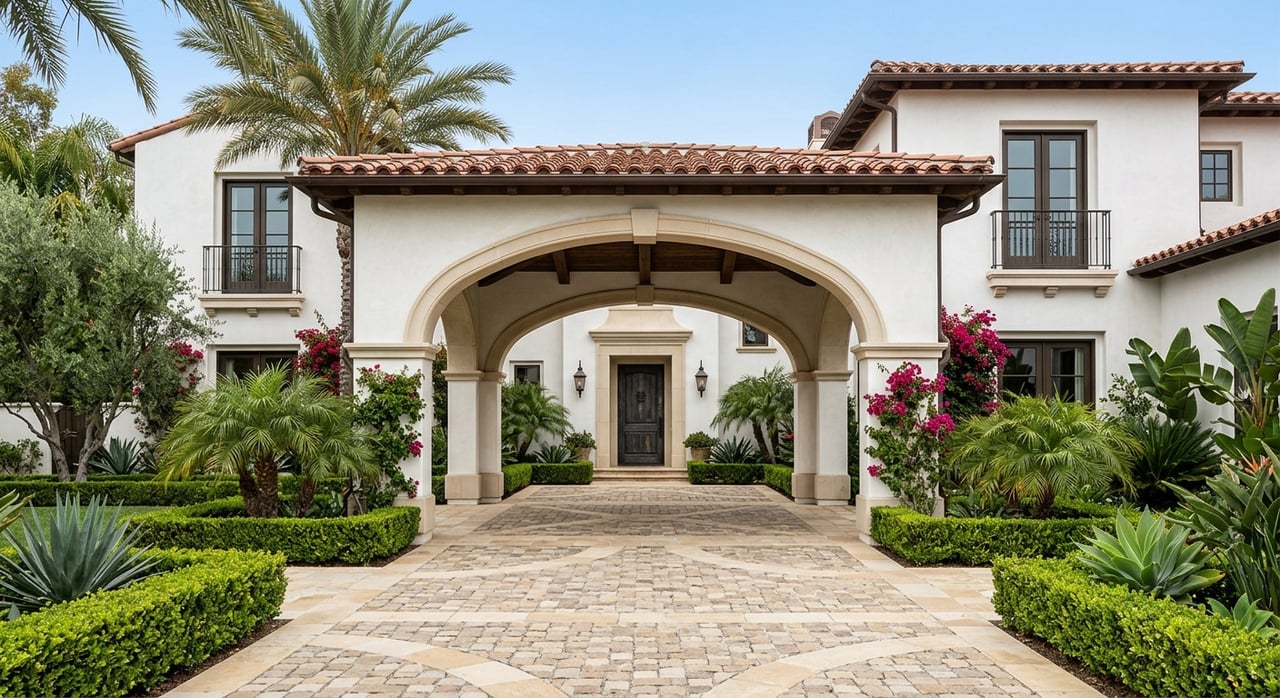
The same document says these policies are intended to protect the character of estates and single-family neighborhoods, preserve open space, and maintain privacy and access to light and air. If your move-up wish list includes more yard space, more separation from neighbors, or more room for outdoor living, Pinecrest may align more closely with those goals.
Price Positioning for Move-Up Buyers
Price is part of the story, even when the bigger question is value. South Miami’s community characteristics report says its residential inventory is limited and notes that median prices for single-family homes and condominiums rose from around $600,000 in 2019 to more than $1 million in 2022 and 2023, according to the city’s community characteristics report.
Pinecrest’s current market-value figure from the village website is significantly higher, and its zoning and lot patterns support the idea that it generally sits in a larger-lot, higher-price tier. The metrics are not identical, so they should not be treated as a direct side-by-side pricing chart. Still, the official sources support the broader takeaway that Pinecrest often commands a premium for space, privacy, and residential scale.
Which Buyer Fits South Miami Best
South Miami can be a strong fit if you want to move up without giving up convenience. You may be looking for a single-family home after outgrowing a condo, townhome, or smaller house, while still wanting quick access to shopping, dining, neighborhood services, and transit.
It can also make sense if being near Coral Gables or the University of Miami is important to your routine. Based on the city’s location, downtown structure, and planning framework, South Miami often works well for buyers who want a more blended lifestyle of home, access, and flexibility.
Which Buyer Fits Pinecrest Best
Pinecrest can be a strong fit if your next chapter is more about space and privacy. You may want a larger yard, more room for entertaining, a pool-friendly property, or a home with longer-term potential for updates or a future rebuild.
The village’s official land-use framework consistently points toward preserving estate and single-family character. For many move-up buyers, that translates into a quieter, more residential setting where the home itself becomes a bigger part of the lifestyle upgrade.
Daily Routine Comparison
A simple way to think about the difference is to picture your average week. In South Miami, your routine may revolve around a more compact downtown environment, nearby services, and easier in-and-out access for daily errands.
In Pinecrest, the rhythm may feel more centered on the property, the street, local parks, and residential surroundings. Neither option is better across the board. The right choice depends on whether you are prioritizing convenience and closeness or space and residential scale.
Due Diligence Before You Buy
No matter which area you prefer, move-up buyers should stay focused on practical details early in the process. In South Miami, the city notes that some commercial and residential properties are located in FEMA Special Flood Hazard Areas, and it also reminds property owners that flood insurance is not part of a standard homeowner policy.
In Pinecrest, permit and renovation review can be especially important when you are considering updated homes, additions, or larger improvement plans. The village’s permit guidance notes that many remodeling and construction projects require permits, so it is smart to confirm permit history and scope before you commit.
A practical checklist includes:
- Verify flood zone status early, especially in South Miami
- Confirm permit history for renovations or additions in either area
- Review the condition and scope of any recent improvements
- Coordinate the timing of your sale and purchase if repairs or updates may affect closing plans
Choosing the Right Move-Up Strategy
The best move-up decision is not just about buying more house. It is about buying the right kind of upgrade for how you want to live next.
If you want a closer-in setting with a town-center feel, South Miami may offer the better fit. If you want a larger-lot, more residential setting with strong park and neighborhood amenities, Pinecrest may be the clearer choice.
When you are weighing both options, local guidance matters. Scott Shuffield helps buyers navigate South Miami, Pinecrest, Coral Gables, and nearby neighborhoods with a hands-on, financially informed approach designed to match your next home to your long-term goals.
FAQs
Is South Miami or Pinecrest better for a larger lot?
- Based on official planning documents, Pinecrest is generally the stronger fit if you want a larger lot, more privacy, and a lower-density residential setting.
Is South Miami a good choice for buyers who want walkability?
- South Miami may appeal more to buyers who want access to a downtown-style district, shopping, dining, and proximity to the South Miami Metrorail station.
Are home prices higher in Pinecrest than South Miami?
- Official sources support the general takeaway that Pinecrest sits in a higher-priced, larger-lot tier, though the published metrics are not identical and should not be treated as a direct one-to-one comparison.
What should move-up buyers verify before buying in South Miami?
- You should verify flood zone status early, review insurance implications, and confirm the property history and condition before moving forward.
What should move-up buyers check before buying in Pinecrest?
- You should review permit history, renovation scope, and any planned improvements carefully, especially if the property has been updated or expanded.