Trying to choose between Coral Gables and Coconut Grove? You are not alone. Both offer lush streets, rich history, and a coveted Miami address, but the day-to-day lifestyle can feel very different. In this guide, you’ll see how the two compare on architecture, lot sizes, parks and marinas, dining and walkability, commuting, and rules that could affect renovations or new builds. By the end, you’ll know which neighborhood aligns with how you want to live. Let’s dive in.
Snapshot: two distinct lifestyles
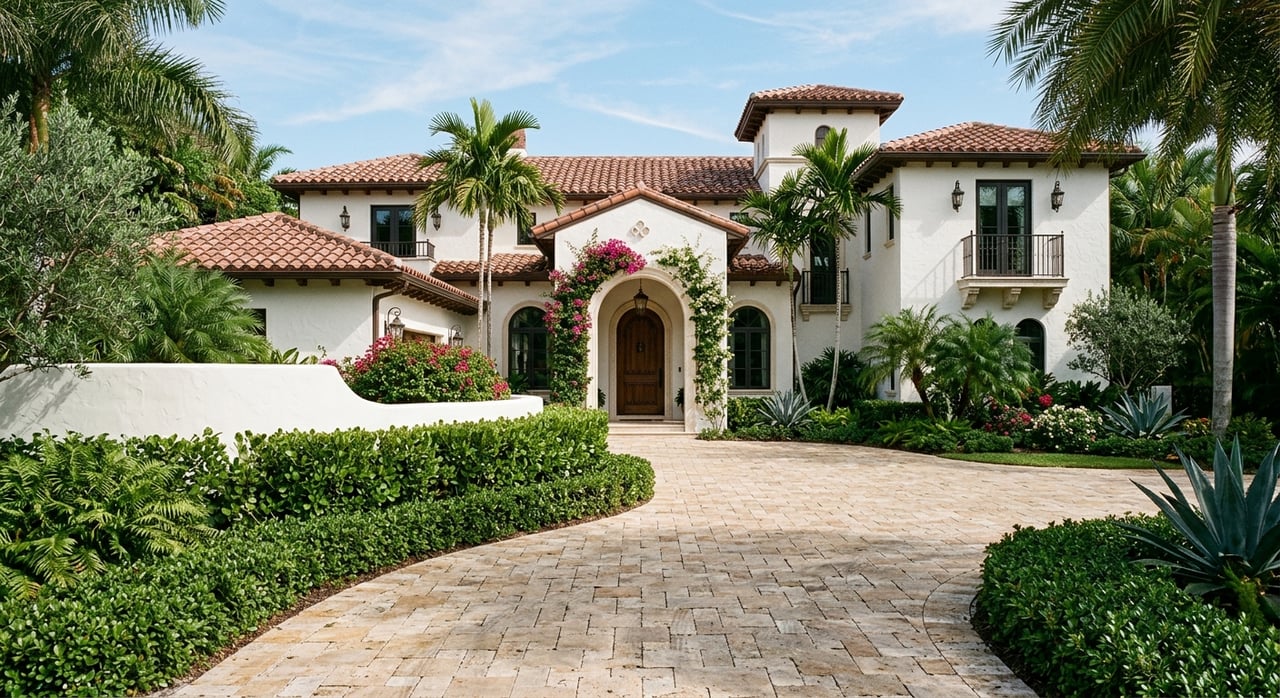
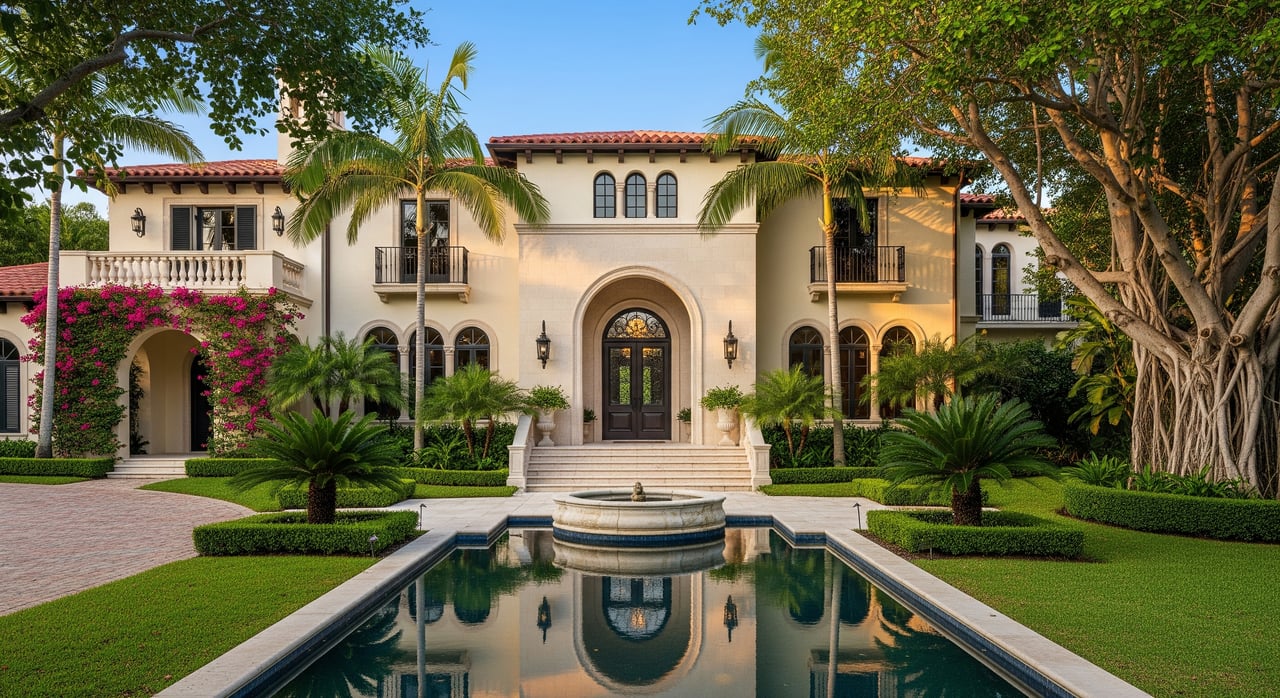
Coral Gables is an independent city known for planned streetscapes, Mediterranean Revival architecture, and consistent design standards. You’ll notice formal boulevards, classic landmarks, and a polished feel across many neighborhoods.
Coconut Grove, a neighborhood within the City of Miami, leans into its village identity. It offers a walkable waterfront core, a dense tropical canopy, and an eclectic mix of homes. If you value a lively village atmosphere and ready access to the bay, the Grove often stands out.
Architecture and streetscape
Coral Gables: planned elegance
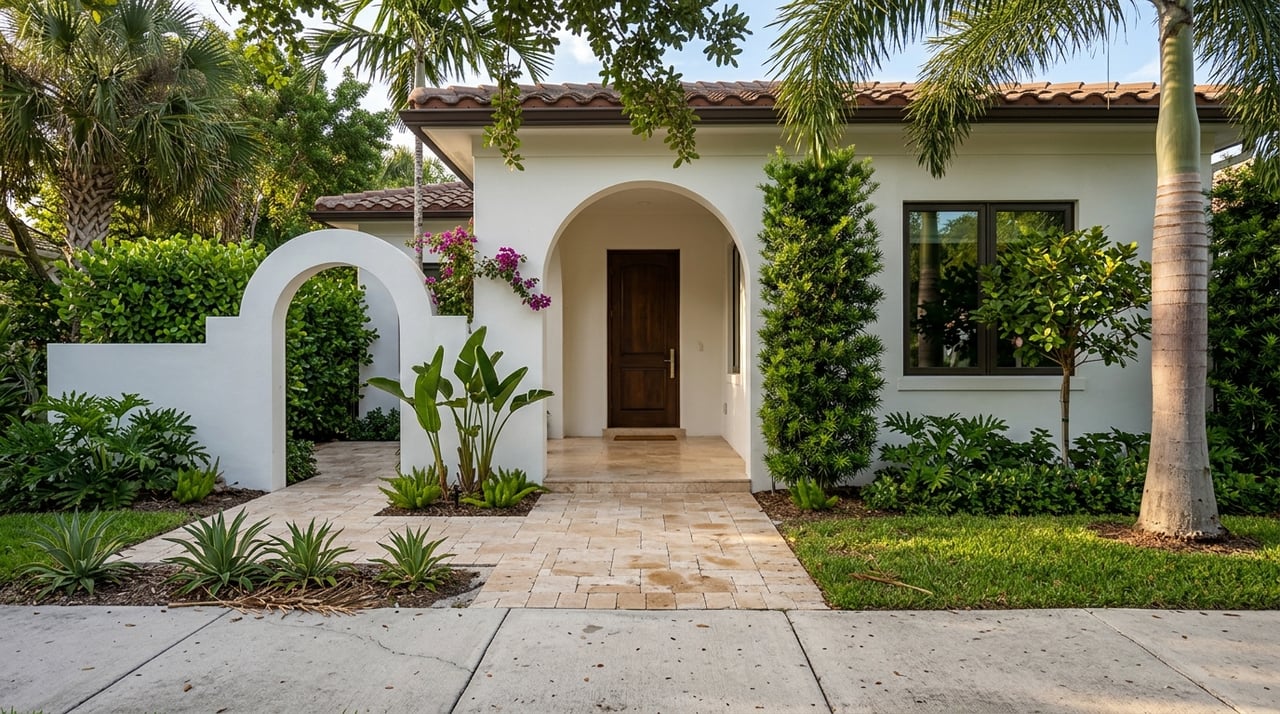
Coral Gables showcases Mediterranean Revival and Spanish Colonial influences that date to the early 20th century. The city has architectural review and historic preservation processes that shape exterior changes, additions, and new construction. This creates a predictable aesthetic that many buyers appreciate.
The housing stock ranges from large historic single-family homes to newer gated estates and condo communities. Renovations are common, but most exterior work goes through review. If you want classic lines, formal setbacks, and visual harmony, Coral Gables delivers.
Coconut Grove: eclectic and leafy
Coconut Grove blends historic cottages, Caribbean and Mid-Century designs, Mediterranean touches, townhomes, and boutique mid-rise condos. Streets are shaded and organic, with parcel shapes that reflect older development patterns. Some areas fall within City of Miami historic preservation districts, which set rules for exterior changes.
You’ll find the most variety near the Village core and along the bay. The look and feel can shift block by block, which many buyers find charming and authentic.
Lot sizes and outdoor living
Coral Gables: room to spread out
Many Coral Gables subdivisions were planned with larger, rectangular lots. Estate pockets such as those along Old Cutler often feature generous yards and privacy. If you want space for a pool, guest house, or more extensive landscaping, Coral Gables offers a consistent supply of larger parcels.
Coconut Grove: varied by pocket
Lot sizes in the Grove vary widely. The Village core tends to have smaller, older lots that support a walkable feel. Larger parcels and bayfront estates are more common closer to the water. If proximity to the Village or the bay matters most, you may trade off yard size for location.
Parks, waterfront, and marinas
Coconut Grove: marina lifestyle
Coconut Grove concentrates much of Miami’s marina and bayfront access in one area. You’ll find waterfront parks like Peacock Park, The Barnacle Historic State Park, and access to facilities such as Dinner Key Marina. Matheson Hammock Park & Marina adds an atoll pool and bayfront access within easy reach of Grove residents.
Private bayfront properties and slips exist in select pockets, along with public options. If boating or ready access to marinas is central to your lifestyle, the Grove is a natural first stop.
Coral Gables: distinctive civic amenities
Coral Gables highlights unique civic amenities and parks, including the historic Venetian Pool. The city also has access points along the Coral Gables Waterway. While there are beautiful green spaces and recreational landmarks, marina infrastructure is not as concentrated here as it is in Coconut Grove.
Dining, retail, and walkability
Coral Gables centers on Miracle Mile and nearby pedestrian corridors. You’ll find higher-end restaurants, boutiques, and a polished retail scene. Walkability is strong along these corridors and in denser pockets, with easy driving access throughout the city.
Coconut Grove’s Village core orients around streets like Main Highway and McFarlane Road. Expect eclectic cafes, casual and waterfront dining, and independent shops. Street life is active day and night, and the village setting supports a strong walking culture near the bay.
Commute and transit
Both areas benefit from major routes such as US‑1, Le Jeune Road, and nearby I‑95. Coral Gables sits southwest of downtown, which works well if your daily life revolves around the Gables, the Airport area, or points south and west.
Coconut Grove sits closer to downtown and Brickell, with more direct northbound routes. The neighborhood has a Metrorail station and multiple bus routes that connect to Brickell and downtown. Coral Gables is also transit served, and in some areas you can use local trolley or circulator services, but there is no Metrorail station within the city limits.
If transit access is a priority for your commute, the Grove’s rail station can be a deciding factor. If you tend to drive and want quick access to local services with structured streets, Coral Gables may suit your routine.
Rules, HOAs, and permits
In Coral Gables, the city’s zoning, architectural review, and historic preservation processes guide exterior changes. Items like additions, fences, and certain tree removals typically require permits and review. The result is a cohesive look, but you should plan for timelines that include approvals.
In Coconut Grove, City of Miami zoning and historic districts apply by location. Private homeowner associations and condo communities add another layer of rules in some pockets. Bayfront properties and marinas may have specific slip ownership or rental rules, plus shoreline-related permits for seawalls and docks.
Key considerations to discuss with your agent and the seller:
- Tree protection ordinances can limit removals or require permits.
- Seawall, dock, and shoreline work often requires county and state permits.
- FEMA flood zones affect insurance and building requirements in low-lying areas.
- Historic districts can limit exterior changes or demolition.
Quick decision checklists
Coral Gables may fit if you
- Want a formal, planned streetscape with Mediterranean or heritage architecture.
- Need a larger lot for a pool, guest house, or extensive landscaping.
- Prefer consistent design controls and a predictable neighborhood look.
- Value historic civic amenities and higher-end retail corridors.
- Are comfortable navigating architectural review for exterior changes.
Coconut Grove may fit if you
- Want a walkable village atmosphere with waterfront parks and marina access.
- Prioritize bayfront living or proximity to slips and marina services.
- Prefer a mix of historic cottages, mid-century homes, and boutique condos.
- Want stronger transit options to Brickell and downtown via Metrorail and bus.
- Are comfortable with rules that vary by block, including HOAs and historic districts.
What to ask during showings
Use this checklist to guide your due diligence:
- Is the property in a historic district or subject to architectural review?
- Which permits were pulled for past renovations, and are they closed?
- If bayfront or near water, what are the slip or marina arrangements and fees?
- What FEMA flood zone applies and what are current flood insurance costs?
- What are the HOA or condo fees, coverage, and any pending assessments?
- Are there tree protection rules or easements that affect backyard plans?
- What are typical peak-hour drive times to your workplace and which transit stops are nearby?
Map your search like a pro
A clear map view will save you time. Ask your agent for a static or interactive map with these layers:
- City boundaries for Coral Gables and Coconut Grove, with the Village core labeled.
- Parcels by housing type: single-family, townhomes, and low, mid, or high-rise condos.
- Lot size heatmap to spot larger parcels and estate pockets.
- Parks and historic sites, including Venetian Pool and The Barnacle Historic State Park.
- Marinas, boat ramps, and private marina clusters near the Grove.
- Transit: the Coconut Grove Metrorail station, major bus corridors, and local trolleys.
- FEMA flood zones and sea-level rise projections to flag higher-risk areas.
- Commercial corridors such as Miracle Mile and Grove dining clusters.
- Commute isochrones showing 15- and 30-minute access to Downtown, Brickell, and MIA.
- Zoning and historic district overlays for parcel-level context.
Suggested captions for your map set:
- Where you’ll find bigger lots and formal streetscapes.
- Where you’ll find marina access and village walkability.
Choosing with confidence
Both Coral Gables and Coconut Grove are exceptional. The right fit depends on how you balance architecture, lot size, marina access, walkability, and your commute. If you want a data-driven, concierge search with local guidance across both neighborhoods, connect with Scott Shuffield to book a consultation.
FAQs
Which neighborhood is better for boat owners in Miami?
- Coconut Grove concentrates marinas, bayfront slips, and waterfront parks, so it is usually the first stop if you want a slip or frequent marina access.
How strict are design rules in Coral Gables vs the Grove?
- Coral Gables uses established architectural review and historic preservation that can be more prescriptive than the City of Miami’s patchwork of rules in Coconut Grove.
Can I find large lots in both Coral Gables and Coconut Grove?
- Larger, uniform lots are more common in Coral Gables estate areas; the Grove has some larger bayfront parcels but many Village lots are smaller.
Which area offers better public transit to Brickell and downtown?
- Coconut Grove has a Metrorail station and bus routes that connect directly to Brickell and downtown; Coral Gables lacks an in-city Metrorail station.
Do Coral Gables and Coconut Grove face flood risk?
- Yes. Low-lying and bayfront areas in both neighborhoods fall within FEMA flood zones, so review parcel-specific maps and insurance requirements during due diligence.