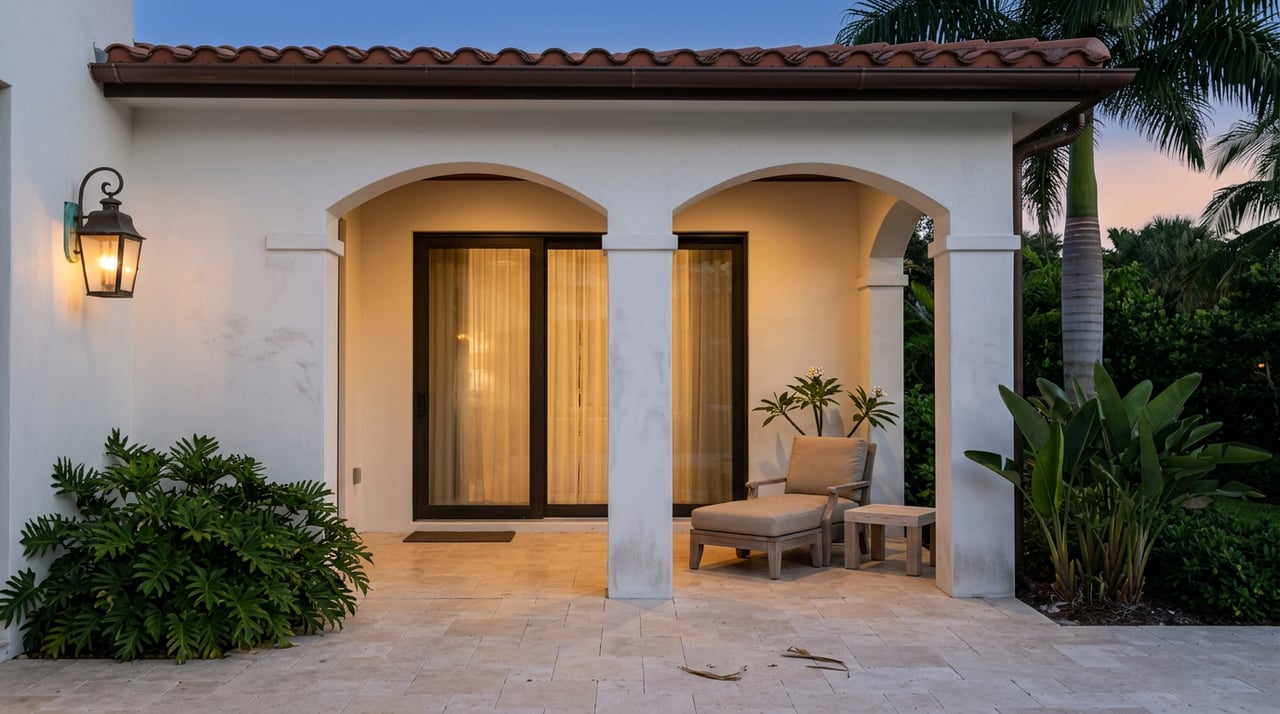
Choosing a condo in Coconut Grove is not just about square footage or a pretty lobby. It is often a choice between two very different ways of living: a quieter, more private boutique building or a larger, more service-rich full-service tower. If you are trying to decide which one fits your goals, this guide will help you compare lifestyle, costs, and ownership factors that matter most in the Grove. Let’s dive in.
Why this choice matters in Coconut Grove
Coconut Grove has a distinct identity within Miami-Dade County. Official Miami sources describe it as Miami’s oldest neighborhood, with a leafy, bayfront, boating-oriented setting that gives it a strong sense of place.
That local character shapes condo demand in an important way. Many buyers are not just choosing a building. They are choosing how they want to experience the Grove day to day, whether that means privacy and a residential feel or a more amenity-driven lifestyle.
The market also supports both options. In Q1 2026, the Coral Gables and Coconut Grove luxury condo market recorded 81 closed sales, a median sale price of $2.0 million, $949 per square foot, 63 days on market, and 11 months of inventory.
That backdrop suggests an active market, but not an overheated one. It also helps explain why both boutique and full-service condos continue to attract serious buyers with different priorities.
What boutique condos usually offer
In Coconut Grove, boutique condos typically appeal to buyers who want fewer neighbors, more privacy, and a more intimate daily experience. These buildings often feel closer to a private residence than a large tower, even when they include high-end amenities.
A strong example is OPUS. It has 14 residences across 6 stories, with 3- and 4-bedroom layouts, private elevator foyers, a rooftop pool and lounge, rooftop gym, spa, 24-hour concierge, security, valet, wine cellars, storage, and two assigned parking spaces per residence.
That example shows an important point. Boutique does not mean basic. In Coconut Grove, a smaller building can still deliver luxury services while keeping the scale quiet and limited.
For many buyers, that creates a more relaxed rhythm. You may see fewer people in common areas, have less elevator traffic, and enjoy a setting that feels more discreet.
What full-service condos usually offer
Full-service condos usually attract buyers who want convenience, staffing depth, and a broader amenity package. These buildings tend to make the property itself part of the lifestyle, with more on-site services and shared spaces.
Park Grove is a clear full-service example. It includes 271 units across three towers, 5 acres of gardens, more than 50,000 square feet of amenity space, an estate manager, nautical concierge, spa, wine room, screening room, business center, private dining, and event space.
Grove at Grand Bay also fits this category. It includes 98 residences in two 20-story towers, large floor plans averaging about 4,000 square feet, private elevator access, generous balconies, LEED Gold certification, and listing descriptions that note 24-hour concierge and valet.
Mr. C Residences Coconut Grove sits somewhere in between. With 135 residences, rooftop pool deck and bar, concierge reception, valet parking, security, spa, business lounge, and private wine storage, it is smaller than the largest towers but still very service-heavy.
Boutique vs full-service is really a lifestyle question
In Coconut Grove, this is less about which option is better and more about which one fits you better. A boutique building usually offers privacy, fewer neighbors, and a quieter atmosphere. A full-service building usually offers more staff, more shared amenities, and a more hotel-like experience.
If you use your condo as a second home, value a lock-and-leave setup, and want arrivals to feel polished and effortless, a full-service building may be more appealing. If you want something that feels more personal and residential, a boutique property may be the stronger fit.
This is why the Grove is such an interesting market. Its bayfront setting, walkable village feel, and mix of luxury inventory support both ownership styles very well.
How monthly fees really compare
One of the biggest mistakes buyers make is assuming boutique always means lower HOA fees or full-service always means higher ones. In reality, monthly cost is driven by staffing, amenities, insurance, reserve requirements, and how costs are spread across the building.
That is why it helps to compare dues on a per-square-foot basis, not just by the total monthly number. A smaller residence may have a lower total bill but a higher cost per square foot, while a larger tower may spread fixed costs across more units.
Here is how a few current examples compare:
| Building | Example HOA | Approx. $/SF |
|---|---|---|
| OPUS | Inferred from published HOA of $2.04/sf | $2.04 |
| Park Grove | $1,892/month for 1,306 sf | $1.45 |
| Mr. C Residences | $2,533/month for 1,046 sf | $2.42 |
| Grove at Grand Bay | $5,846/month for 3,607 sf | $1.62 |
These examples show why labels can be misleading. A boutique building with private elevators, valet, rooftop amenities, and very few residences can have a higher per-square-foot assessment than a larger full-service building.
The key takeaway is simple: compare the actual numbers, the services included, and the building’s long-term financial picture. That gives you a much clearer view than the words boutique or full-service alone.
Why Florida condo law affects carrying costs
If you are comparing older and newer buildings in Coconut Grove, state condo requirements should be part of the conversation. Florida law requires milestone inspections for qualifying buildings that are three stories or higher by the 30th year after certificate of occupancy, and earlier in some coastal or saltwater-adjacent situations.
Associations that existed before July 1, 2022 and were controlled by unit owners also had to complete a structural integrity reserve study by December 31, 2024 for each qualifying building. That study must identify inspected items, remaining useful life, replacement cost or deferred maintenance expense, and a reserve funding schedule.
For buyers, this matters because these requirements can place upward pressure on dues or lead to special assessments, especially in older buildings. Contracts entered into after December 31, 2024 must also disclose whether a required milestone inspection or reserve study is incomplete, completed, or not required.
This does not mean older buildings should be avoided. In fact, Miami-Dade condos in buildings 30 years and older were reported as selling faster than newer ones, at 62 days versus 79 days. It does mean you should review the association’s financials, reserves, and disclosures carefully before you buy.
Which buyer often prefers boutique condos
Boutique condos are often a strong match if you value calm, privacy, and design over a long list of amenities. They can also appeal to buyers who want a more single-family-like feel without taking on the maintenance of a house.
In Coconut Grove, that may include owner-occupants and second-home buyers who want a refined home base in a neighborhood with a strong identity. OPUS is the clearest example of this positioning, with its 14-home scale and private elevator foyers built around exclusivity.
If your ideal day starts with a quieter lobby, fewer shared spaces, and less foot traffic, boutique living may feel more natural. The tradeoff is that you may have fewer amenities or a smaller staff footprint than in a larger tower, even when service is still elevated.
Which buyer often prefers full-service condos
Full-service condos are often the better fit if you want convenience built into daily life. Staffed arrivals, valet, concierge support, spa access, business lounges, and broader amenity programming can make ownership feel easier and more flexible.
This setup can work especially well for second-home owners, busy professionals, and buyers who want the building to deliver part of the lifestyle. Park Grove and Mr. C point strongly in that direction, while Grove at Grand Bay adds a more resort-like campus feel.
If you travel often or like the idea of a more polished arrival and service experience, full-service living may justify the monthly costs. The tradeoff is that you are typically sharing the building with more residents and using a more active common environment.
Do not assume a condo is rental-friendly
If rental potential is part of your plan, the most important rule is not to guess. In Coconut Grove, rental flexibility is building-specific, and the documents matter more than the marketing.
Florida law states that an amendment that prohibits rentals, changes lease duration, or limits how often a unit may be rented applies only to owners who consent to that amendment and to buyers who take title afterward. That means rental rules can vary not just by building, but also by timing and ownership history.
Before you buy, review the declaration, current rules, and rental policy closely. If rental use is central to your decision, make that part of your due diligence from the start.
How to choose the right fit for you
A smart comparison usually comes down to five questions. If you answer them clearly, the right building type often becomes much easier to spot.
- Do you want privacy or amenity depth?
- Do you prefer a residential feel or a hotel-like experience?
- Are you more focused on monthly efficiency or on specific services?
- Will you use the property as a primary home, second home, or investment?
- Are you comfortable with the building’s reserves, inspections, and possible future assessments?
In Coconut Grove, there is no one-size-fits-all answer. The best choice is the one that matches how you actually live, what you value, and how you want your ownership costs to work over time.
When you compare buildings through that lens, the decision becomes less emotional and more strategic. That is especially helpful in a market where both boutique and full-service options can be compelling for different reasons.
If you are weighing condo options in Coconut Grove and want a sharper, building-by-building comparison, Scott Shuffield can help you evaluate lifestyle fit, carrying costs, and the details that matter before you make a move.
FAQs
What is the difference between boutique and full-service condos in Coconut Grove?
- Boutique condos usually offer fewer residences, more privacy, and a quieter atmosphere, while full-service condos usually offer more staff, more amenities, and a more service-driven experience.
Are boutique condo HOA fees lower in Coconut Grove?
- Not always. Published examples show that some boutique buildings can have higher per-square-foot fees than larger full-service buildings because costs are spread across fewer residences.
Which Coconut Grove condo type is better for a second home?
- It depends on your priorities. If you want privacy and a more residential feel, boutique may fit better. If you want valet, concierge, and a lock-and-leave lifestyle, full-service may be a stronger match.
Should buyers review reserve studies in Coconut Grove condos?
- Yes. Florida law requires certain condo associations to complete structural integrity reserve studies, and those findings can affect dues, reserves, and future assessments.
Are older Coconut Grove condo buildings harder to sell?
- Not necessarily. Reported Miami-Dade data showed condos in buildings 30 years and older selling faster than newer ones, although pricing, condition, and financials still matter.
Can you rent out any condo in Coconut Grove?
- No. Rental rules are building-specific, so you should review the declaration, rules, and current rental policy before buying if rental flexibility is important to you.