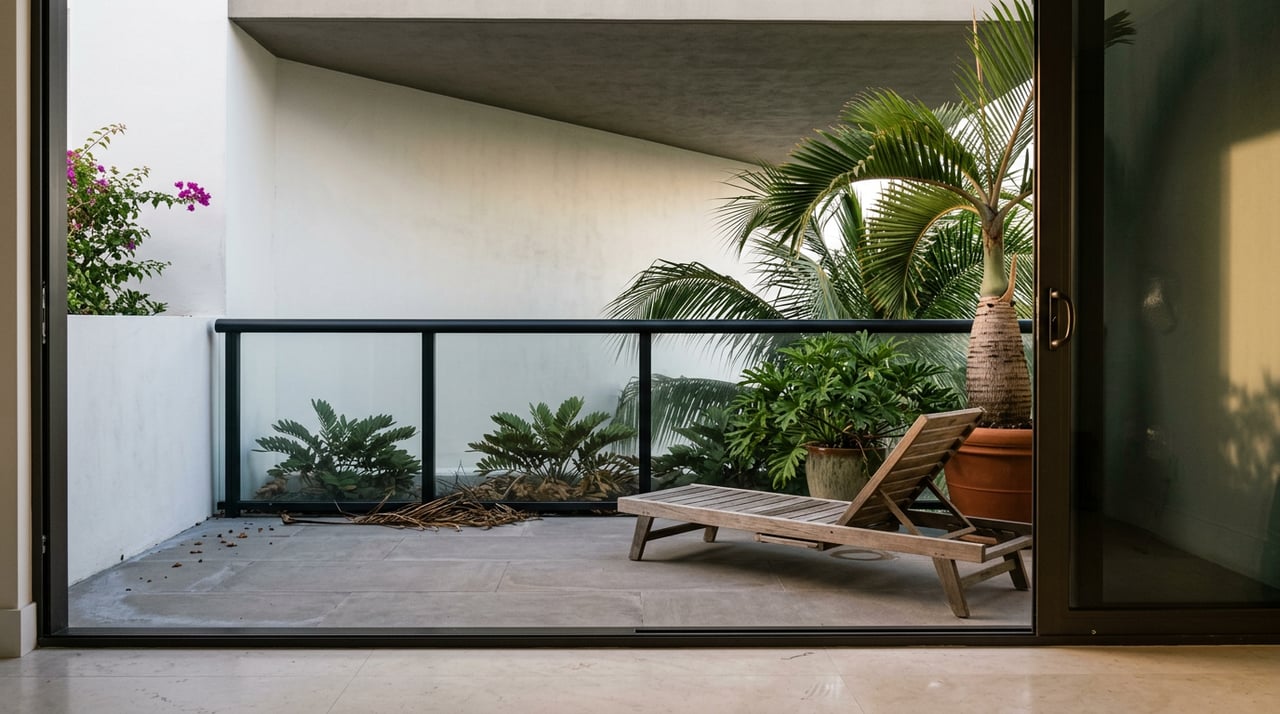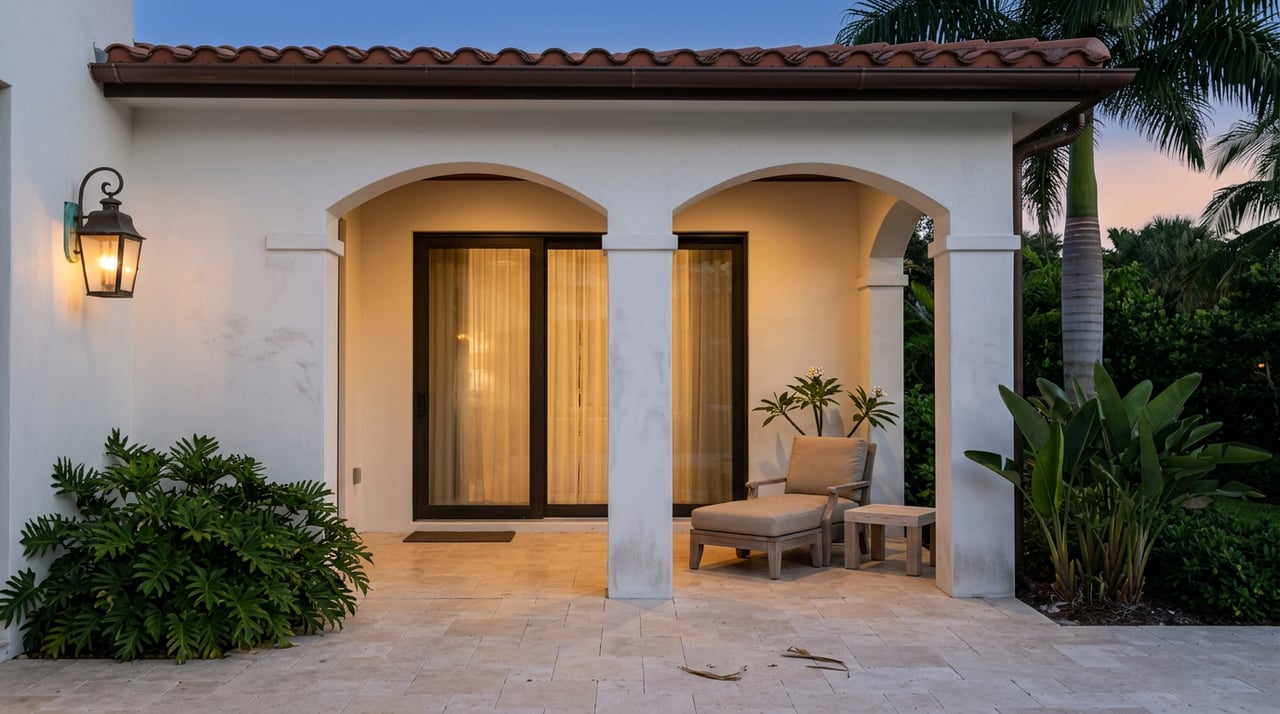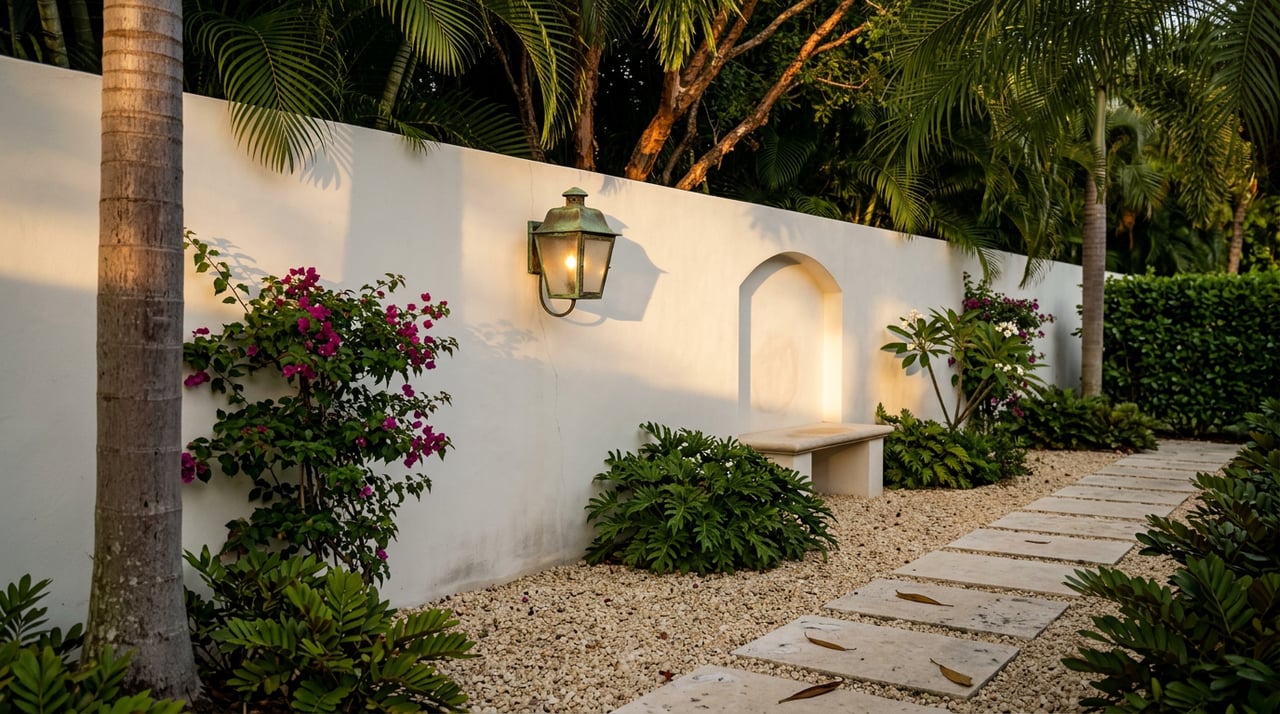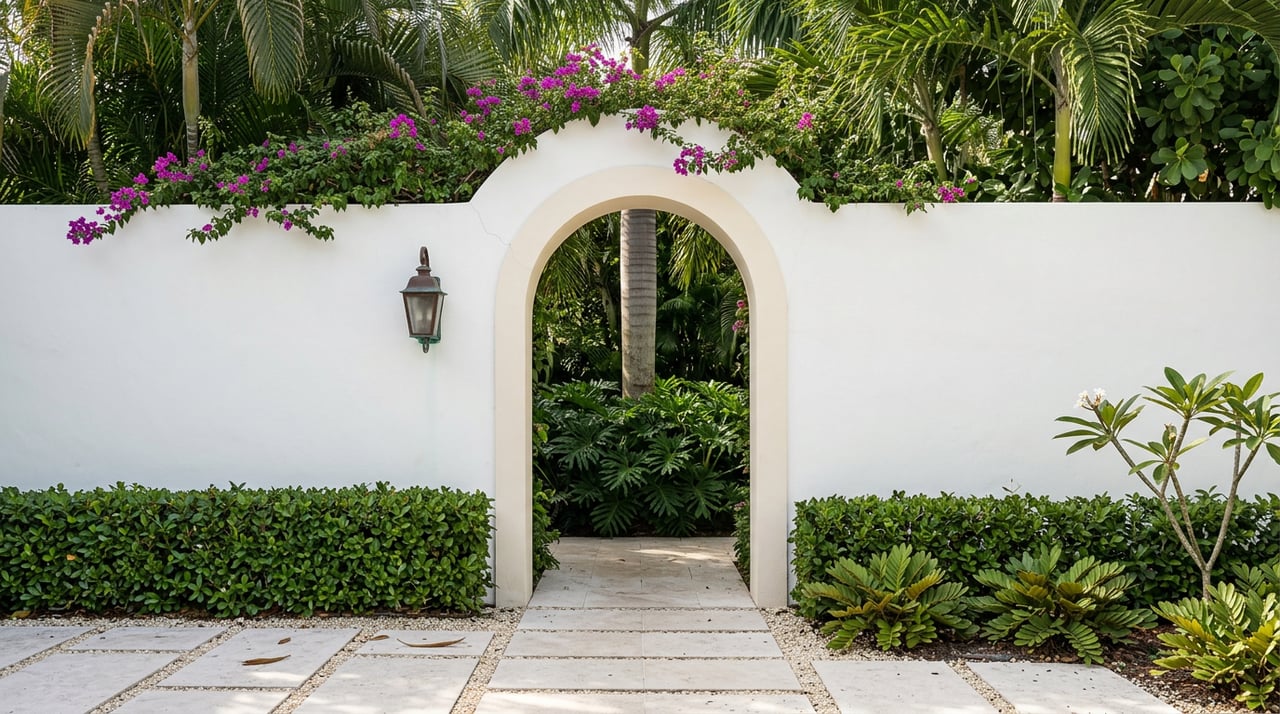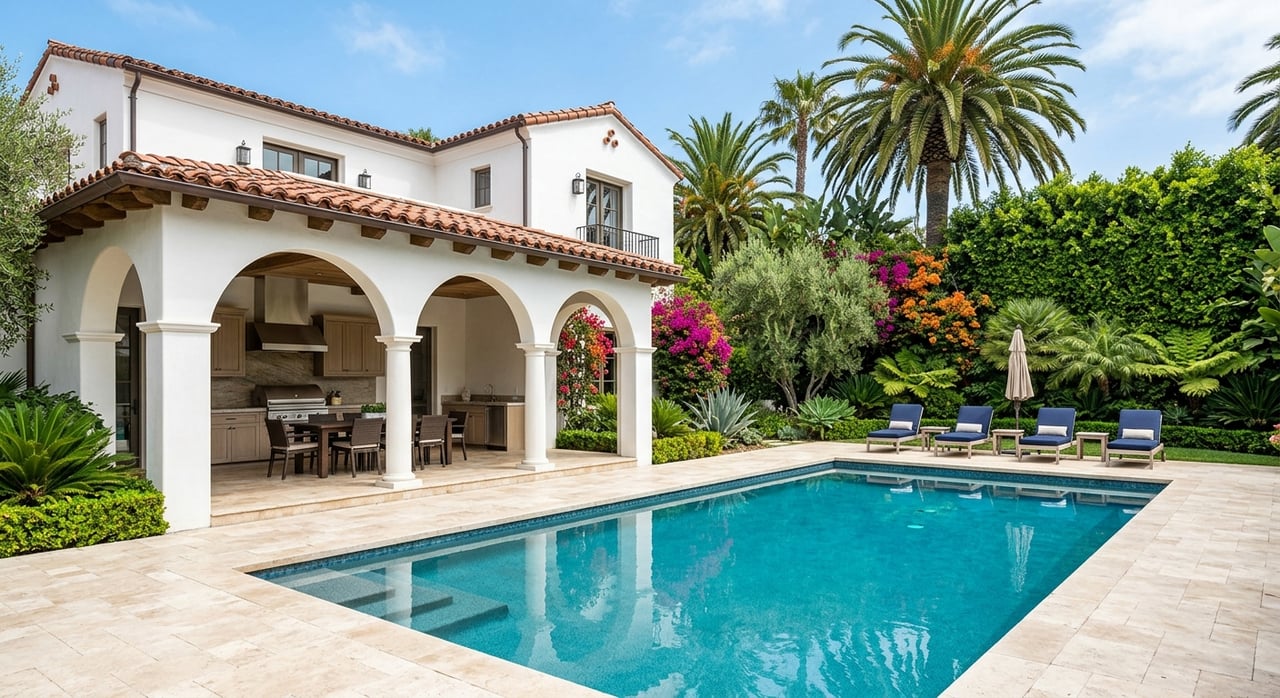
What turns a Pinecrest backyard into a true retreat? It is rarely just a pool or a patio on its own. In this part of South Florida, the best outdoor spaces feel connected, shaded, and thoughtfully planned around the lot itself. If you are dreaming about a more resort-style setup at home, this guide will walk you through ideas that fit the Pinecrest lifestyle while keeping practical planning in focus. Let’s dive in.
Start With the Lot
In Pinecrest, resort-style outdoor living works best when you treat your yard as one coordinated space instead of a series of separate upgrades. A pool, dining area, lounge zone, and garden all need to work together with the home’s layout, tree canopy, and drainage.
That matters because larger outdoor projects are often lot-specific. Setbacks, pervious coverage, tree preservation, flood status, and permit requirements can all shape what is realistic for your property.
Build Around Shade and Flow
One of the most appealing parts of Pinecrest living is the mature landscaping and leafy feel many homes enjoy. That makes shade more than a comfort feature. It is often a core part of the design.
Instead of clearing the yard and starting from scratch, many homeowners get a better result by designing around existing trees. Preserving canopy can help your space feel cooler, more established, and more in tune with the neighborhood’s outdoor character.
You can create better flow by linking each zone visually and physically. Wide doors, consistent paving, coordinated materials, and clear sightlines can make the indoor and outdoor areas feel like one larger living environment.
Pool Ideas That Feel Like a Private Resort
For many Pinecrest homes, the pool is the anchor of the backyard. But the most successful pool designs usually include surrounding features that make the space usable throughout the day, not just the water itself.
Consider layering your pool area with:
- A shallow lounging ledge for casual seating
- A separate spa area for evening use
- Wide pool decking with room for chaises
- A nearby covered sitting space for shade
- Landscape borders that soften hard edges
If you are thinking about a pool project, safety and permitting should be part of the conversation from the start. Florida requires a pool barrier at least 4 feet high, with no openings that would allow a child to crawl under or climb over, plus a self-closing and self-latching gate.
Permitting also matters locally. In-ground swimming pools are included in Escambia County’s permit review process, and pool projects are routed through inspection as part of that process.
Add Screens and Enclosures Early
In South Florida, shade and bug control can make a big difference in how often you use your outdoor space. That is why screened enclosures, covered pool areas, and screen rooms should be planned as part of the original design rather than added as an afterthought.
Escambia County treats pool enclosures and screen rooms as aluminum-structure work. In practical terms, that means they are part of the permitting conversation, not just an accessory detail.
From a lifestyle perspective, an enclosure can help you create a more comfortable outdoor room. It can support longer outdoor dinners, easier pool maintenance, and more predictable day-to-day use.
Create a Covered Dining Terrace
A covered terrace is one of the simplest ways to bring a resort feel home. It gives you a place to dine, entertain, or relax even during strong sun or light rain.
For a polished look, keep the terrace close to the kitchen or main living area. That makes serving, hosting, and everyday family use feel more natural.
A strong covered terrace often includes:
- Ample room for a full dining table
- Ceiling fans or integrated lighting
- Durable finishes that complement the home
- Easy visual connection to the pool or lawn
- Space for both dining and conversation seating
If your terrace includes new structural work, electrical, plumbing, or gas features, the permit path can change. Escambia County distinguishes between cosmetic work and actual construction, and separate permits may apply depending on the scope.
Design an Outdoor Kitchen With Purpose
An outdoor kitchen can add convenience and a luxury feel, but it works best when it matches how you actually live. A compact grill station may be enough for some homes, while others benefit from a more complete cooking and serving area.
Think about placement first. If the kitchen is too far from the house, it can become less convenient for daily use. If it is too close to seating without enough ventilation or prep room, it may feel cramped.
For a practical resort-style setup, focus on:
- Clear prep and serving surfaces
- Comfortable circulation around the cooking area
- Covered protection from weather
- Lighting for evening use
- Materials that hold up well outdoors
Because these projects can involve structure, plumbing, electrical, or gas work, they should be reviewed carefully before construction starts. That is especially true if the plan also includes a cabana, detached pavilion, or pool house.
Use Recreation Zones Thoughtfully
A resort-style backyard does not have to center only on dining and swimming. For some Pinecrest homeowners, a recreation zone can make the space feel more complete and more useful for daily living.
That could mean open lawn, a putting area, or a sport court, depending on the lot. The key is to think of these features as part of the overall site plan rather than as standalone additions.
Escambia County’s residential site-development language groups pools, enclosures, fences, carports, and similar yard features into the planning process. In practice, that makes layout, drainage, setbacks, and open ground especially important when you are adding hardscape-heavy features like courts or large deck areas.
Balance Hardscape and Drainage
One of the easiest mistakes in outdoor design is focusing only on the finished look. Large patios, paver expanses, pool decks, and courts may feel luxurious, but they also change how water moves across the property.
Escambia County’s stormwater program is focused on reducing flooding and managing runoff. That means hardscape-heavy backyard plans should preserve open ground where possible and direct water away from structures.
The county’s zoning rules also include pervious lot coverage requirements. In simple terms, there is a balance between paved or decked space and areas that can absorb water.
A better approach is to think in layers:
- Keep enough planted or open ground on the lot
- Break up large paved areas when possible
- Plan drainage before finalizing materials
- Coordinate decks, courts, and terraces as one system
Preserve Mature Trees When You Can
In Pinecrest, mature trees can be one of the most valuable parts of an outdoor setting. They bring shade, privacy, texture, and a settled feel that new landscaping often takes years to recreate.
Escambia County’s code emphasizes meaningful tree protection and preservation. The county also requires a tree-removal permit before removing or damaging protected trees, and tree losses from residential development may trigger a tree restoration fee when the building permit is issued.
That means tree planning should happen early. If you are adding a patio, pool, or detached structure, the design should work with the canopy and root zones whenever possible.
Consider a Cabana or Guest Space
For larger lots, a cabana, pool house, or guesthouse can elevate the backyard experience. These spaces can support entertaining, provide changing rooms or storage, or add flexibility for longer-term use.
Still, this is one area where assumptions can create problems. Accessory dwelling units are allowed in certain mainland zoning districts in Escambia County, but they must meet specific rules about the lot, the main home, setbacks, and the number of dwellings allowed on the property.
Accessory structures are generally limited to side and rear yards and must be at least five feet from interior side or rear lot lines. Size also matters, since the county limits accessory structure area based on the size of the main home and the lot.
For that reason, guesthouse ideas should be treated as lot- and zoning-dependent. What works beautifully on one property may not be allowed on another.
Check Floodplain Status Before Building
If your project includes significant improvements or detached structures, floodplain status is worth confirming early. Escambia County provides flood map resources, elevation certificate information, and Know Your Zone tools for homeowners.
This step matters because if a structure in a flood hazard area is substantially damaged or substantially improved, it may need to be brought into compliance with floodplain elevation standards. Even if your design vision is strong, the site conditions still guide the path forward.
Confirm Jurisdiction Before Final Plans
One final detail can affect almost every planning decision: jurisdiction. Escambia County’s land development code applies only in unincorporated areas, so you should confirm whether your parcel falls under county rules before relying on them.
That simple step can help you avoid confusion around permits, setbacks, and site requirements. It is one of the smartest ways to keep a resort-style backyard project moving in the right direction.
Resort-style outdoor living in Pinecrest is not about adding the most features. It is about creating a backyard that feels seamless, shaded, functional, and well matched to your lot. If you are buying, selling, or preparing a home with standout outdoor potential, working with a team that understands lifestyle value and property positioning can make a real difference. Connect with Scott Shuffield to discuss your next move.
FAQs
Do Pinecrest homes need permits for outdoor living upgrades?
- Many permanent backyard upgrades do require permits, including in-ground pools, many screened enclosures, and sheds with permanent foundations. The exact permit path depends on the scope and whether the work includes structure, plumbing, electrical, or gas components.
What pool safety rules apply to Pinecrest homes in Florida?
- Florida requires a pool barrier at least 4 feet high, with no openings that allow a child to crawl under or climb over, plus a self-closing and self-latching gate.
Can Pinecrest homeowners remove trees for a new pool or patio?
- Protected tree removal or damage may require a tree-removal permit in Escambia County, and some residential development may also trigger a tree restoration fee when the building permit is issued.
How should Pinecrest homeowners plan drainage for large patios or pool decks?
- Large hardscape areas should be designed with runoff and open ground in mind. Escambia County’s stormwater approach supports preserving pervious areas and directing water away from structures.
Can a Pinecrest property include a guesthouse or ADU?
- Some properties may allow an accessory dwelling unit, but it depends on zoning, setbacks, lot conditions, and county rules about the number and size of dwellings and accessory structures on the lot.
Why should Pinecrest homeowners confirm parcel jurisdiction first?
- Escambia County’s land development code applies only in unincorporated areas, so confirming jurisdiction helps you understand which rules apply before making final plans.