Thinking about buying in Coconut Grove and torn between a townhome and a single-family home? You are not alone. The name “Coconut Grove” pops up in more than one pocket of Lee County, and the options feel very different once you start touring. If you understand how layout, maintenance, fees, resilience, and rules compare, you will choose with confidence. This guide breaks down what to expect in both versions of Coconut Grove and gives you an easy checklist for due diligence. Let’s dive in.
First, confirm which Coconut Grove
“Coconut Grove” is used for more than one small neighborhood in Lee County. You will see:
- A historic Coconut Grove pocket around the McGregor corridor in Fort Myers. Homes here include mid-century cottages and larger renovated single-family properties on established lots, often with no HOA.
- A newer Coconut Grove subdivision in the Bonita Springs area. This area skews newer construction and is HOA-governed with neighborhood standards and amenities.
Always confirm the exact parcel and jurisdiction before you compare options, because taxes, rental permits, and association rules can differ by municipality. Your agent can verify the property’s city or unincorporated status and explain how that affects your plans.
What you will see on tours
Townhomes: vertical living and shared amenities
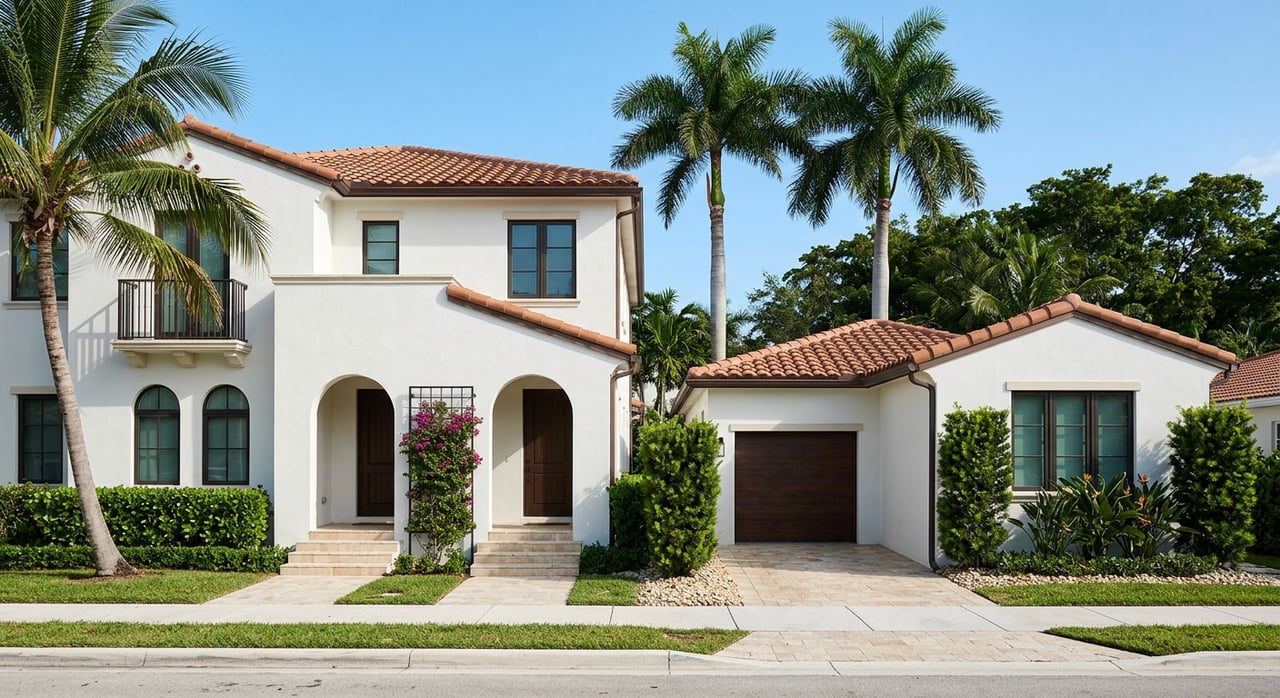
Most Lee County townhomes are two stories with 2–3 bedrooms. You will often find a one- or two-car garage, an open main floor with kitchen and living areas, bedrooms upstairs, and a small fenced patio or screened lanai. Communities commonly include a pool, clubhouse, and maintained common areas.
When you walk a typical townhome, note the flow from attached garage to the main living area, the stair placement, and how the patio connects to shared green space. Ask where guest parking is located and whether there are any flooring or noise rules between units.
Single-family homes: space and separation
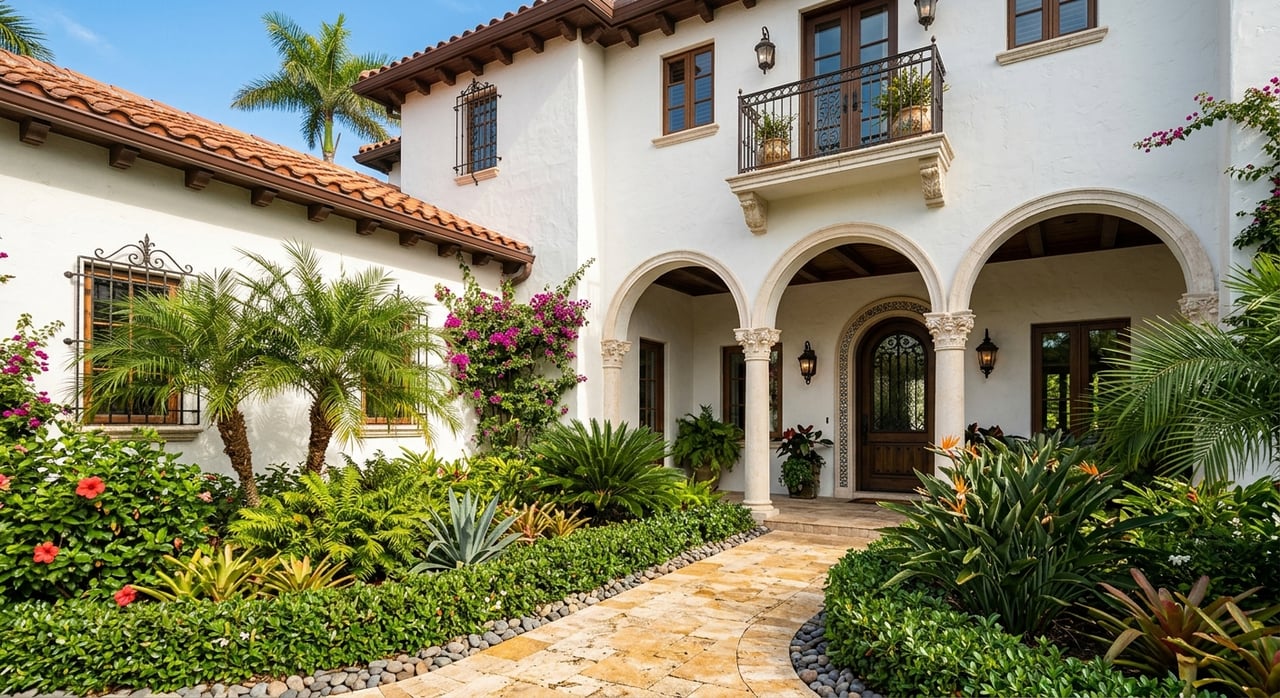
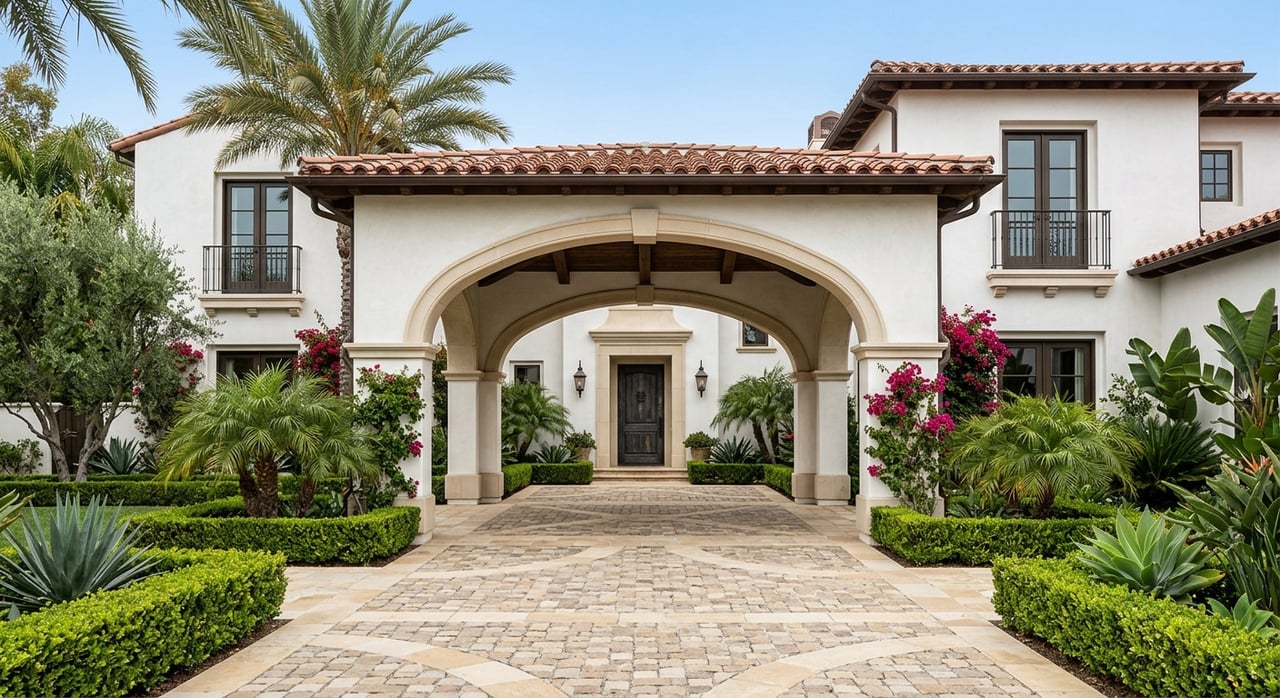
In Fort Myers’ Coconut Grove pockets, you will see single-level or one-and-a-half-story homes on private lots. Many of these properties are fee-simple with individual driveways, yards, and detached or attached garages. Some listings explicitly state “no HOA,” which means you control exterior decisions and take on all maintenance.
Expect a ground-level flow, more separation between rooms, and a yard that can fit outdoor living, storage, or a pool. Lot size varies greatly, so compare frontage, depth, and any easements before you fall in love with a layout.
Maintenance: who pays for what
Townhomes under a condominium
If the townhome is legally a condominium, the association usually handles and insures the exterior shell, roof, and common elements as outlined in the declaration and the Florida Condominium Act. Owners carry an HO-6 policy for interior finishes and contents. You can review the association’s obligations in the Florida Condominium Act (Chapter 718).
Townhomes that are fee-simple with an HOA
Some townhomes are fee-simple homes inside an HOA governed by Chapter 720. In those communities, owners are often responsible for their own roofs, exterior paint, and yard, while the HOA maintains common amenities and landscaping. To know for sure, read the recorded declaration and budget line items. For an overview of Florida association rules and buyer document rights, see this Florida Realtors legal resource.
Single-family homes
Detached homes place all exterior maintenance on you unless the property sits inside a master HOA that includes certain services. If there is no HOA, you will budget for roofing, landscaping, pool care, pest control, and storm prep. If there is an HOA, it usually covers only common amenities and landscaping along the roadways, not your private roof.
Bottom line: townhomes often trade higher monthly dues for less hands-on work. Single-family homes trade lower or no dues for more personal time and out-of-pocket maintenance.
Privacy, noise, and daily living
Townhomes
Attached walls can reduce exterior privacy and may bring occasional sound transfer between units. Most floor plans stack bedrooms upstairs, so anyone who needs single-floor living should confirm stair count and handrail style. Review the association’s rules on flooring, quiet hours, and guest parking, and ask about party-wall construction.
Single-family homes
Detached walls offer greater separation and more control over noise and outdoor living. Private yards can buffer street activity and give you room for pets, gardening, and storage.
Outdoor space and landscaping
Townhomes
Outdoor areas are usually limited to a small patio, fenced courtyard, or screened lanai. Landscaping and irrigation in the common areas are often handled by the association, which helps with curb appeal and uniformity.
Single-family homes
You own and maintain your yard. That gives you freedom to install a pool, add a shed, or redesign landscaping, subject to permits and any neighborhood architectural guidelines. The tradeoff is responsibility for mowing, irrigation, and pest management.
Association fees, reserves, and assessments
Monthly dues for Lee County townhome and condo communities often land in the low hundreds per month, with higher fees in waterfront or amenity-rich settings. What those dues cover depends on the legal structure. Condo-titled properties often include exterior insurance, roofing and painting cycles, common-area maintenance, and sometimes services like trash, sewer, or cable. Fee-simple HOAs typically cover amenities, entry gates, and common landscaping.
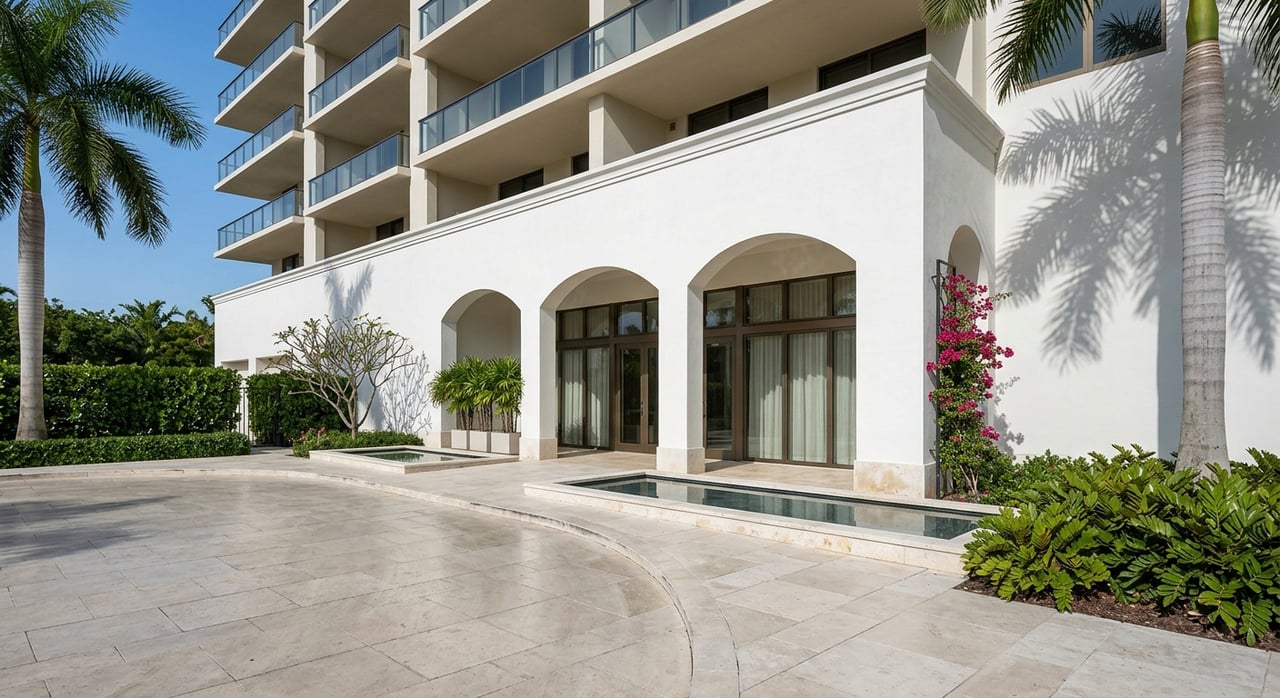
Be sure to check the community’s reserve policy. Florida now requires larger condo buildings (3+ stories) to complete milestone inspections and a Structural Integrity Reserve Study (SIRS). The findings can increase reserves and may lead to special assessments. For a clear overview of milestone inspections, review this Florida milestone inspection guide and this post-Surfside legal summary on condominium reserves and compliance.
Insurance, flood, and resilience in Lee County
- Flood coverage. Standard homeowner policies do not cover flood damage. Lenders require flood insurance for homes in FEMA Special Flood Hazard Areas. Always check the property’s exact designation on the FEMA Flood Map Service Center, and request any available elevation certificate. Elevation can meaningfully change your premium.
- Hurricane and wind considerations. Florida policies commonly include a named-storm deductible set as a percentage of the dwelling limit. Wind-mitigation features, documented on the state OIR wind-mitigation form, can reduce premiums. Learn what to look for in this overview of wind-mitigation requirements and discounts.
- Condo master policy vs owner coverage. Condominium associations insure building exteriors and common elements in ways defined by statute and the declaration, while unit owners insure interiors “paint-in.” After storms, deductibles and coverage scope matter. Review the master policy certificate and deductible in light of Florida’s condominium insurance framework.
Long-term flexibility: rentals, renovations, and resale
- Rentals and short-term rules. Associations often set minimum lease terms and investor caps. Municipal rules can also apply. For example, Bonita Springs requires a rental permit and inspection for non-owner-occupied properties. Review the city’s rental permit requirements, and verify whether state licensing applies to vacation rentals.
- Renovations and additions. Single-family homes usually offer a clearer path for exterior upgrades, pools, or accessory structures, subject to permits. Townhomes and condos typically require architectural approval, and condo-titled properties limit exterior changes. Always confirm whether a townhome is fee-simple or condo-titled.
- Financing and resale. Some loan programs review condo projects for reserves, insurance, and litigation. SIRS and milestone inspection findings can impact financing options and resale timelines for larger buildings. For context, see the legal guidance on condominium changes after Surfside.
Which is right for you? Quick decision guide
Choose a townhome if you value:
- A lock-and-leave lifestyle with less yard work.
- Community amenities like a pool and maintained green space.
- Predictable exterior care handled by the association.
Choose a single-family home if you want:
- Maximum privacy and control over exterior design.
- A larger private yard with room for a pool or projects.
- Fewer restrictions on renovations and storage.
Touring and due-diligence checklists
Documents to request
If the home is a condominium or condo-titled townhome:
- Declaration, bylaws, rules and regulations.
- Year-end financials and current budget.
- Reserve study or SIRS, milestone inspection reports if applicable.
- Minutes from the last 12–24 months.
- Master insurance certificate, including hurricane deductible.
- Estoppel letter and any pending litigation summary.
Florida law provides buyer rights and timelines to review documents in many condo resales. For an overview, start with this Florida Realtors legal resource.
If the townhome is fee-simple inside an HOA:
- HOA disclosure summary, current budget and reserves.
- Recent minutes and any rules on rentals, parking, and exterior modifications.
For single-family homes:
- Seller’s property disclosure and tax bill history.
- Permit records, roof and HVAC receipts, and any septic or well documentation.
What to inspect on tours
- Roof age and any evidence of repairs. Ask if a secondary water barrier is present for wind claims.
- HVAC age and service history.
- Windows and doors: impact glass or shutters. Ask whether a current wind-mitigation form exists.
- Signs of moisture or prior flooding. Request an elevation certificate and run the address on the FEMA Flood Map Service Center.
- For townhomes/condos: overall condition of roofs, parking, and pools; check for visible deferred maintenance and scheduled projects in the minutes and budget.
- For single-family: drainage and grading, seawall or bulkhead condition if waterfront, condenser placement, and property lines or easements.
Key questions for the HOA or listing agent
- What exactly do the monthly dues cover, line by line? Are any utilities included?
- What is the current reserve balance and policy? Any planned special assessments?
- What is the delinquency rate on dues and is there pending litigation?
- Are rentals limited? What is the minimum lease term? Any short-term restrictions?
- Who enforces parking, exterior standards, and noise rules?
The bottom line
Both townhomes and single-family homes in Coconut Grove can deliver a great Lee County lifestyle. Townhomes simplify exterior upkeep and bundle community amenities, while single-family homes put you in control of space, privacy, and long-term customization. Your best choice comes down to how you want to live, your tolerance for maintenance, and the importance of rental or renovation flexibility.
If you would like a second set of eyes on fees, reserves, flood exposure, and long-term resale prospects, connect with our team. We will walk you through documents, highlight red flags, and align the choice with your goals. Reach out to Scott Shuffield to get started.
FAQs
What is the difference between Coconut Grove in Fort Myers and Bonita Springs?
- Fort Myers’ Coconut Grove is an older neighborhood with a mix of detached homes, often with no HOA. Bonita Springs’ Coconut Grove is a newer HOA community with defined standards and amenities.
How do HOA and condo dues work for townhomes in Lee County?
- Condo-titled townhomes often include exterior insurance, roofing, and common-area upkeep; fee-simple HOAs usually cover only amenities and shared landscaping. Always read the budget and reserves.
Do I need flood insurance to buy in Coconut Grove?
- If the property lies in a FEMA Special Flood Hazard Area and you have a loan, flood insurance is required. Check the exact parcel on the FEMA Flood Map Service Center and ask for an elevation certificate.
What hurricane-related documents should I ask for?
- Request the wind-mitigation report, roofing details, and for condos, the master policy certificate with the hurricane deductible. These affect premiums and claim outcomes.
Can I do short-term rentals in Coconut Grove (Lee County)?
- Rental rules depend on the association and the city. Bonita Springs requires a rental permit and inspection for non-owner-occupied homes; confirm with the HOA and review city requirements.
Which option is better for low-maintenance living: townhome or single-family?
- Townhomes usually win on low-maintenance living because exterior work and landscaping are commonly included in dues. Single-family homes offer control and space but add personal upkeep.
What should I review before making an offer on a condo-titled townhome?
- Get the declaration, rules, budgets, reserve or SIRS reports, recent minutes, master insurance certificate, and an estoppel. Florida buyers have specific condo document review rights outlined by state law.